
Healthcare careers in high demand: requirements and duration
Advertisements
Choosing the right career path in the healthcare sector involves analyzing what the healthcare careers in high demand currently.
The global demographic landscape and population aging have completely transformed the needs of care systems worldwide.
This constant evolution creates an environment where job security and professional development are virtually guaranteed for new graduates.
If you are thinking of focusing your future on caring for others, it is crucial to know what profiles hospitals most urgently need.
Which medical disciplines are experiencing the greatest growth in the current market?
Advertisements
Digital transformation and personalized chronic care have triggered a surge in the need to incorporate highly specialized professionals in clinics and primary care health centers.
Generalist and intensive care nursing tops all hiring lists due to staff turnover and the opening of new facilities.
Likewise, family medicine and pediatrics face an urgent generational shift that opens the doors to thousands of graduates.
On the other hand, mental health has gained unprecedented historical relevance, positioning clinical psychology as a fundamental pillar of social well-being.
Ongoing therapeutic support and the management of work-related stress are areas that demand professionals trained to address complex emotional pathologies in a comprehensive manner.
These disciplines not only offer rapid job placement, but also the opportunity to develop work with a direct and transformative social impact.
What academic requirements are needed to access these professions?
Access to the healthcare environment requires passing a rigorous academic selection process that varies according to the level of responsibility of the position.
For university degrees, it is essential to have a high school diploma and pass the entrance exams with remarkably high scores.
Subsequently, obtaining the official qualification requires completing a period of supervised clinical practice in real hospital settings.
In the case of medical and nursing specialties, graduates must take state competitive examinations to access internal training positions.
This system ensures that only the best-trained professionals manage critical therapeutic decisions that directly affect patient safety.
To learn about international standards for medical education and the competencies required globally, you can consult the official criteria of the World Health Organization, which regulates the guidelines for healthcare personnel.
How long does one need to study to work in the healthcare sector?
The duration of training programs is a determining factor that applicants should carefully evaluate before formalizing their university enrollment.
Technical degrees and higher-level vocational training cycles offer a fast track to the job market in just two years of study.
These options are ideal for those who wish to quickly join the workforce through support and diagnostic work.
In contrast, traditional university degrees such as medicine, dentistry, or nursing require a much longer and more demanding time commitment.
A general practitioner needs a minimum of six years of theoretical studies, in addition to the years of specialized residency.
This investment of time guarantees the acquisition of advanced clinical skills essential for the accurate diagnosis and treatment of complex diseases.
Comparison of requirements and duration by degree

To help you visualize the different options available, the following table details the estimated duration of studies and the level of job placement in the main healthcare careers in high demand during this year.
Read more: Most profitable university degrees in 2026 according to actual employment
| Healthcare Qualification | Estimated Duration | Main Requirement | Demand Level |
| Degree in Medicine | 6 years + Residence | Excellent cut-off score and MIR exam | Critical / Very High |
| Bachelor's Degree in Nursing | 4 years | Mandatory clinical placements | Exceptional |
| Bachelor's Degree in Clinical Psychology | 4 years + Official Master's Degree | Mandatory health authorization | High |
| Diagnostic Imaging Technician | 2 years | Higher Level Vocational Training | High |
| Degree in Physiotherapy | 4 network | Mandatory professional registration | Moderate / High |
Why is continuous specialization key to professional success?
The end of initial university education is only the first step in a lifelong learning journey.
The constant emergence of new diagnostic technologies and advanced therapies requires professionals to update their knowledge regularly.
Read more: How to get your first remote job without international experience
Those workers who choose to specialize in innovative technological areas, such as telemedicine or surgical robotics, enjoy better contractual conditions.
Furthermore, specialization allows healthcare professionals to access clinical management and team leadership positions within hospital institutions.
This progression not only increases professional recognition, but also reduces the physical strain associated with direct care shifts in emergency rooms.
Investing in postgraduate courses and international certifications is the safest strategy to build a competitive and resilient long-term professional profile.
How does the focus on caregiving influence the sustainability of the system?
Working in the health field requires a perfect balance between technical excellence and a deep capacity for empathy towards human suffering.
Staff with strong interpersonal communication skills are able to reduce patient anxiety, significantly improving adherence to medical treatments.
This human connection is a component that no artificial intelligence tool can replicate in daily clinical practice.
Read more: Short courses that guarantee quick employment
However, prolonged caregiving pressure can lead to burnout if it is not managed properly from the start of a career.
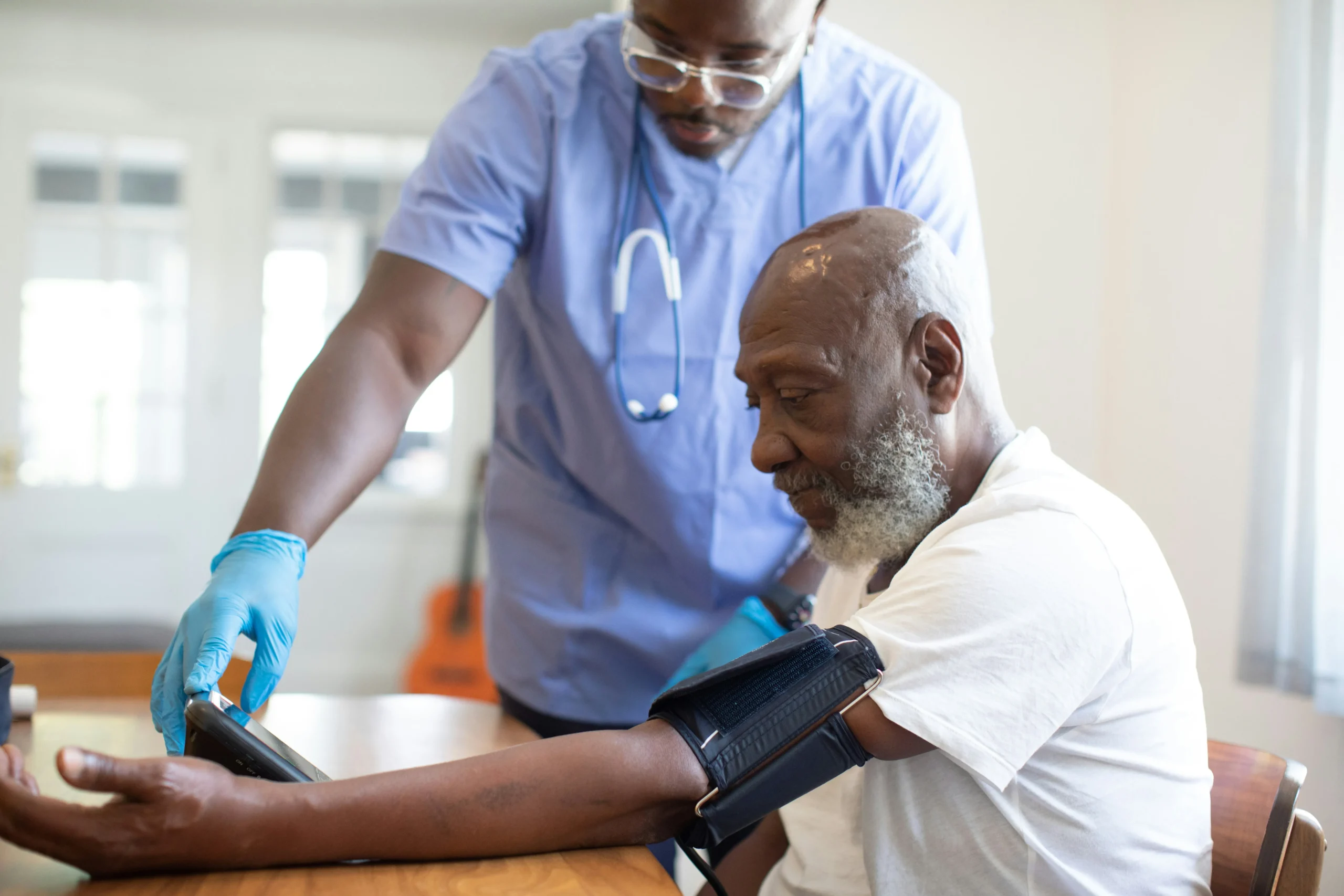
For this reason, universities are integrating emotional management and self-care modules into their curricula. healthcare careers in high demand.
Understanding one's own limits and developing resilience is fundamental to ensuring a long, healthy, and truly rewarding career path.
Frequently asked questions about healthcare professions
Is it mandatory to be a member of a professional association in order to work in a public hospital?
Yes, registration with the respective professional association in your province is a legal and indispensable requirement to practice healthcare.
This procedure ensures that the professional complies with the code of ethics and possesses the official qualification necessary to serve citizens safely.
What is the difference between a generalist nurse and a specialist nurse?
The generalist nurse has a basic training applicable to multiple services, while the specialist has completed residential internal training in a specific area.
Specialties, such as obstetric-gynecological or pediatric nursing, require additional studies and offer a higher degree of technical qualification.
Do technical health careers have a good economic outlook?
Indeed, senior technicians in areas such as laboratory, pathological anatomy or oral hygiene have competitive salaries and a quick entry into the workforce.
Their operational work is fundamental to the daily functioning of modern analysis laboratories and radiodiagnostic centers.
Can a health qualification obtained abroad be validated?
The homologation process is viable, but it requires completing a rigorous administrative file before the Ministry of Universities of the destination country.
In many cases, applicants are required to pass supplementary exams or complete periods of adaptive internships to balance the study plans.
Charting the path to the future of work
Making the decision to enter the world of health requires a thoughtful analysis of your personal aspirations and your capacity for resilience.
The effort invested in completing these demanding academic programs translates directly into one of the lowest unemployment rates in the entire current economy.
Job stability is complemented by the enormous daily satisfaction of directly improving people's quality of life.
We recommend that you calmly evaluate the different options we have presented, paying special attention to the access requirements and the required years of commitment.
Talking to working professionals and visiting training centers will give you a valuable, realistic perspective to help you define your vocation.
If you wish to delve deeper into the evolution of academic curricula and employment trends, visit the education portal of the Ministry of Education and Vocational Training, where you will find updated university orientation guides.
