
Logistics and warehouse jobs: positions in high demand
Advertisements
The jobs in logistics and warehousing They are experiencing unprecedented expansion due to the global boom in e-commerce, inventory automation, and supply chain optimization.
Distribution companies, last-mile logistics providers, and operations centers are constantly seeking skilled talent to manage automated warehouses, coordinate freight transport, and expedite the processing of daily orders.
This operational transformation not only increases the demand for operational staff, but also creates specialized vacancies that require technological skills, data management, and up-to-date operational certifications.
Understanding the current job market allows candidates to focus their strategic training, identify opportunities with job stability, and build solid career paths within an essential economic sector.
What are the most in-demand operational positions in logistics centers?
Advertisements
The order picker profile or picker It leads the way in mass hiring at distribution centers, now assisted by radio frequency systems and voice tools.
Forklift and freight elevator operators maintain a constant demand, requiring official driving licenses and rigorous knowledge of occupational safety and hygiene regulations within the warehouse.
Inventory managers also play a vital role, monitoring the entry, exit, and periodic audits of goods through warehouse management computer systems.
Choosing to train in these jobs in logistics and warehousing It guarantees quick access to the formal labor market with real opportunities for advancement to technical supervisory roles.
Why is automation transforming the skills required?
The incorporation of sorting robotics, automated storage systems, and routing algorithms does not destroy jobs, but rather raises the technical demands on logistics personnel.
Today's workers must interact with digital interfaces, manage real-time data through ERP software, and monitor the proper functioning of smart conveyor belts.
Soft skills such as quick problem-solving, collaborative work, and adaptability take on a decisive role during peak periods of high operational demand.
Investing in operational digital literacy allows traditional operators to successfully adapt to new automated logistics plants without falling behind professionally.
Labor Metrics for Key Positions in Logistics and Warehousing
| Professional Profile | Level of Labor Demand | Key Technical Competencies | Required Digital Skills |
| Forklift Operator | Extremely High | Heavy cargo handling, valid licenses | RF terminal reading |
| Order Picker (Picker) | Very High | Packaging, physical agility, precision | Barcode scanners |
| Route Planner | high | Transport geography, fleet management | Route optimization software |
| Inventory Analyst | high | Stock control, physical audit | Proficiency in WMS and Excel spreadsheets |
How can I access these job opportunities without prior experience?
Starting a professional career in this sector requires obtaining basic technical certifications, such as a forklift operator's license or short courses in safe handling of goods.
Read more: Reverse logistics: what it is and what are the advantages
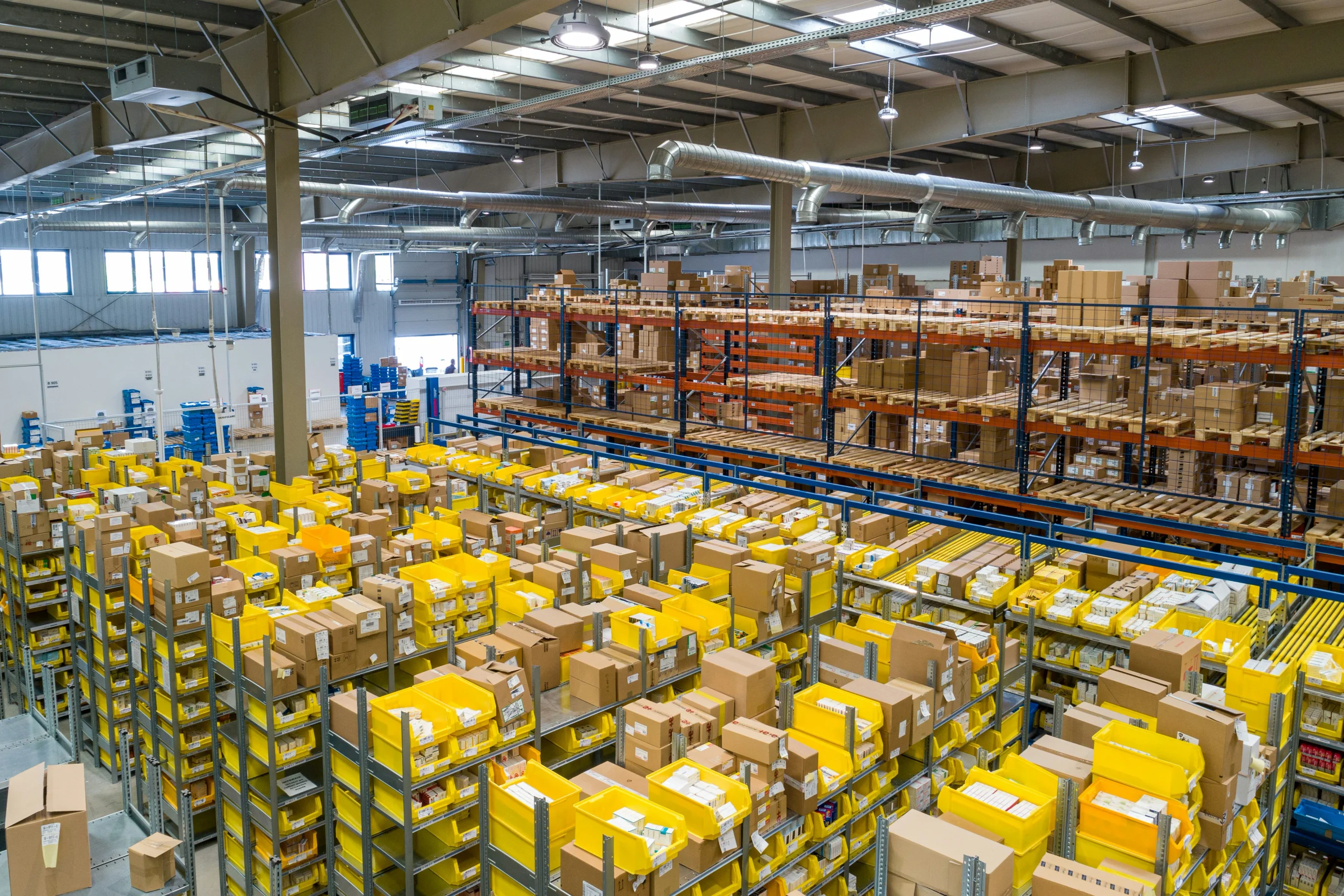
Temporary employment agencies and specialized job banks are the main entry point to access initial shifts during high-demand campaigns.
Demonstrating punctuality, attention to detail, and commitment to road and internal safety standards accelerates direct hiring by global logistics operators.
Consult the labor market reports and employment statistics published by the State Public Employment Service to analyze current hiring trends.
What are the benefits of developing a career in the supply chain?
The logistics sector stands out for providing job stability, regulated collective agreements, overtime opportunities, and clear internal training plans for dedicated employees.
Read more: Logistics and Warehouse Jobs in the United States
The uninterrupted expansion of e-commerce guarantees that jobs in logistics and warehousing maintain a high employability rate even during cycles of global economic slowdown.
An entry-level operator can progressively advance to team leader, shift supervisor, or logistics director through continuous training in personnel management and process optimization.
This horizontal and vertical flexibility makes the logistics industry a highly attractive option for workers looking to build a lasting and scalable professional future.
When is the best time to apply for jobs in the sector?
Although recruitment is active throughout the year, the periods leading up to Black Friday, the Christmas season, and the sales days see a surge in hiring.
Read more: Germany needs skilled workers: logistics and transport
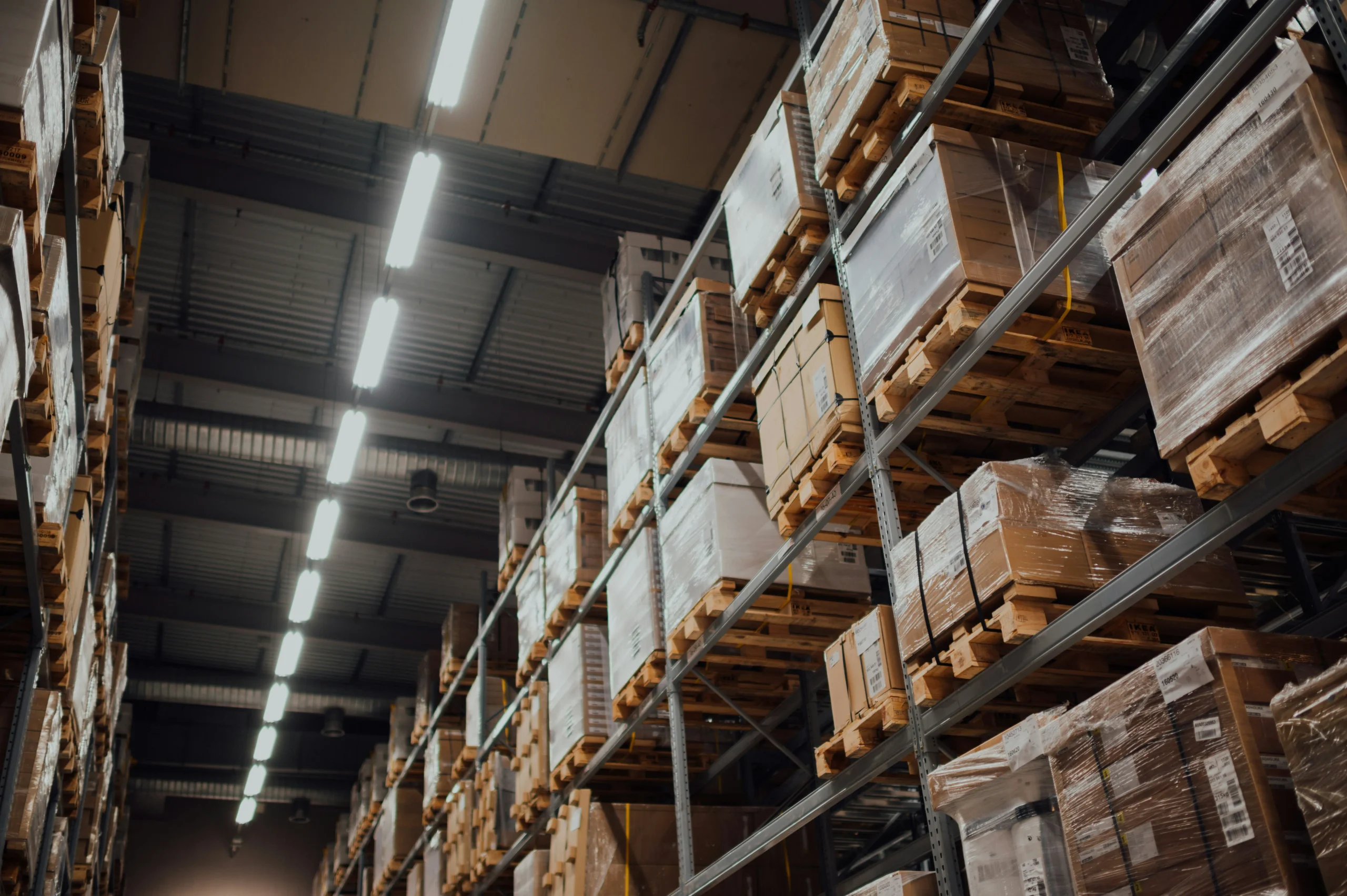
Companies begin their recruitment processes weeks before these operational peaks to properly train staff on internal warehouse procedures.
Taking advantage of these seasonal campaigns allows you to gain valuable practical experience, demonstrate operational performance, and secure permanent vacancies when the peak commercial demand period ends.
Examine the European guidelines on transport, logistics and labor regulations by consulting the official platform of the European Commission to understand industry standards.
Frequently Asked Questions (FAQ)
Is a university degree required to work in a logistics center?
No, most operational positions require a completed secondary education and specific technical certifications such as machinery driving licenses or load handling.
What is the difference between WMS software and an ERP system?
A WMS software manages specific operations within the warehouse, while an ERP manages all of the company's business resources and processes.
Is packing and preparing orders a physically demanding job?
Yes, it involves long walks and weight lifting, although modern ergonomics and automation significantly reduce the direct physical effort of the operator.
What are the most valued licenses for working in warehouses?
The license for front and reach forklifts, along with certification for operating electric stackers, are the most sought-after accreditations by recruiters.
The uninterrupted growth of the jobs in logistics and warehousing It offers an accessible, dynamic path full of opportunities for personal growth.
Acquiring technical skills, mastering basic digital tools, and maintaining a firm commitment to job security guarantee a quick and successful entry into one of the most solid economic engines of the modern era.
