
QR code scams: how to recognize fraud before paying
Advertisements
The QR code scams They are a growing threat in the modern digital environment, affecting users who make quick payments in restaurants, parking lots, and physical stores daily.
Technically known as quishingThis type of fraud exploits implicit consumer trust by scanning physically manipulated quick response modules or modules distributed via malicious emails.
Understanding the mechanics of these scams is essential to protecting personal assets and maintaining secure financial transactions in any commercial establishment or digital platform.
What are QR code scams and how do they work?
Dot matrix fraud involves altering the destination URL to direct the victim to fake websites created by cybercriminals.
Advertisements
Unlike traditional malware, these two-dimensional images do not contain direct executable code, but instead act as a visual bridge to phishing portals (phishing).
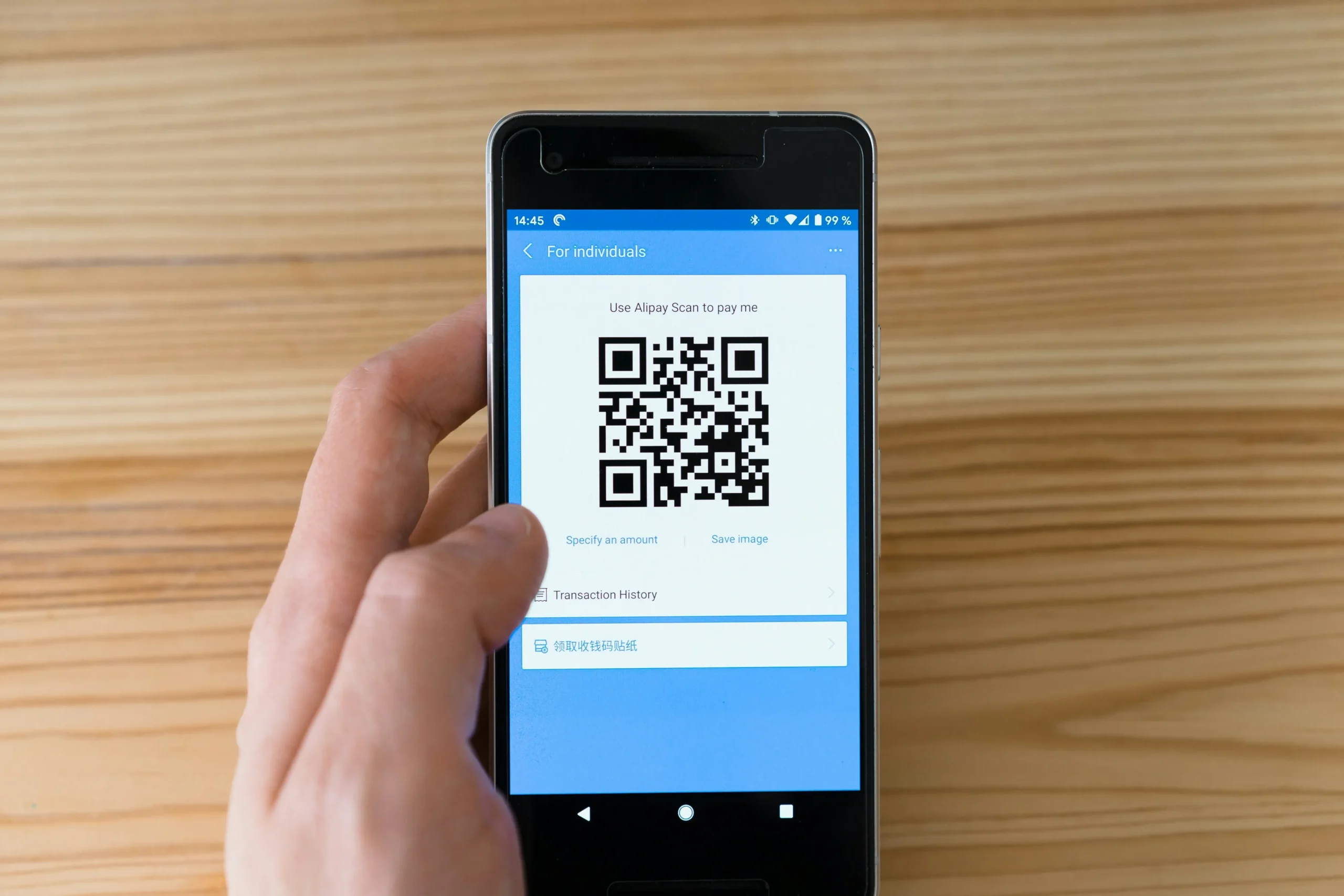
The attackers place printed stickers over official payment signs in public places, managing to capture banking credentials and card data without raising immediate suspicion.
When the person scans the altered image, the device's browser opens an interface identical to that of the legitimate provider, requesting access keys or immediate payments.
Why does quishing pose an increasing danger in 2026?
The widespread adoption of contactless payments has reduced consumer caution when interacting with optical readers in everyday physical environments.
According to the U.S. Federal Trade Committee (FTC)Criminals take advantage of the human inability to read the encrypted content of an image to hide sophisticated fraudulent links.
Furthermore, the accelerated use of URL shorteners and dynamic redirects makes it difficult for conventional security tools to identify the final destination of traffic before the interaction.
This combination of social trust and technical opacity makes this method a highly effective attack vector for stealing sensitive financial information.
Common manipulation methods and attack vectors
| Type of Fraud | Attack Mechanism | Usual Environment | Risk Level |
| Physical Superposition | Vinyl stickers placed on authentic payment panels. | Parking lots, parking meters, and restaurant tables. | High |
| Email Quishing | Modules embedded in messages to bypass traditional spam filters. | Corporate emails and notifications of pending deliveries. | Very High |
| Fake fines | Printed notifications on windshields with links to fraudulent gateways. | Public roads and regulated parking areas. | Medium-High |
| Malicious Wi-Fi | Access to public networks that require scanning to log in. | Airports, cafes and shopping centers. | High |
How to recognize QR code scams before making a payment?
Identifying a manipulated image requires a rigorous visual inspection of the physical medium before using the smartphone camera in any commercial establishment.
Read more: How the Way of Paying Has Changed Since the Introduction of QR

Look for bulging edges, uneven textures, or evidence that a sticker was placed directly over the original printed sign of the local business.
The QR code scams They often use strange domain names, subtle spelling mistakes, or unusual extensions to impersonate official financial entities.
When activating the scanner, the browser preview should always display the full web address, allowing verification of the presence of the legitimate HTTPS secure protocol.
If the requested website asks to install additional applications or grant administrative permissions to the device, immediately stop the operation without entering personal data.
What preventative security measures should you take on your device?
Disabling automatic link opening in camera settings prevents the browser from loading websites without prior user review.
Use scanning applications developed by recognized cybersecurity companies, which analyze the reputation of the destination URL in real time before opening it.
Read more: QR Payments: How They Work and What Are the Most Used Options in 2024
Keep your mobile phone's operating system and web browsers up to date with the latest security patches distributed by the software manufacturers.
Implement two-factor authentication across all financial services, ensuring that access requires additional verification against any attempted intrusion.
Avoid entering bank details or making electronic transfers while connected to public wireless internet networks or without an access password.
What are the differences between a legitimate transaction and fraud?
Official payment platforms clearly display the company's registered trade name and confirmation of the exact amount to be debited on screen.
In contrast, malicious websites often request the re-entry of full card numbers, security PINs, or secret keys that are never actually needed.
Read more: ANSES CUIL certificate: when you need it for procedures
Consult the direct recommendations of the Office of Internal Medicine Safety (INCIBE) to learn about the official rapid response protocols for citizen cybersecurity incidents.
If you have any doubt about the authenticity of a sign, ask the establishment staff for an alternative payment method or the physical bank terminal.
NEVER complete a transaction if the payment gateway has graphical glitches, poorly translated text, or redirects communication to unofficial private chats.
Frequently Asked Questions (FAQ)
Can I infect my phone just by scanning a code without paying?
Direct infection through optical scanning alone is uncommon, but the destination web address can download malicious files if the browser is outdated.
What should I do if I've already entered my information on a fraudulent website?
Contact your bank immediately to block the compromised cards and change your account access passwords from a secure device.
Are native banking apps safer for scanning?
Yes, using the reader integrated into your bank's application ensures that information is processed exclusively within a secure and verified transactional environment.
Is it safe to use these systems in restaurants to view the digital menu?
It's usually safe if the letter opens directly, but be wary if the website requires you to download an executable file or enter personal data to view it.
Digital education and constant verification represent the most effective tools to neutralize the risks associated with QR code scams Today, adopting prudent browsing habits protects the integrity of your financial assets without sacrificing the convenience of modern payment technology.
