
More people are seeking a balance between personal life and work.
Advertisements
Today, more People are looking for a balance between personal life and work. due to a profound reevaluation of what success means in the contemporary professional environment.
The idea of sacrificing physical well-being, family time, and mental recreation in exchange for a corporate promotion is losing all validity among the new generations of workers.
This cultural transformation redefines the recruitment strategies of global companies, which now must compete by offering more than just competitive salaries.
Professionals prioritize environments that respect their free time, understanding that a rested mind is infinitely more creative, loyal, and efficient in the long run.
What socioeconomic factors drive the need for a daily balance?
Advertisements
The technological acceleration of recent years has eliminated the physical barriers that separated the office from the home, trapping employees in a cycle of permanent availability.
Receiving emails in the early hours of the morning and instant messages about urgent projects outside of working hours generated levels of chronic exhaustion never before seen in society.
Given this situation, the workforce began demanding clear limits to protect their mental health and avoid emotional collapse resulting from sustained stress.
The search for balance has ceased to be an optional benefit or an executive luxury, and has become an indispensable biological necessity for urban survival.
Accept that the People are looking for a balance between personal life and work. As an absolute priority, it allows market analysts to understand the current high staff turnover rates.
Those organizations that ignore this demand experience a constant brain drain to competitors that do integrate real human welfare policies.
How do modern corporations respond to demands for flexibility?
Leading companies in the technology and services sectors are implementing hybrid work schedules and the controversial but effective four-day work week.
These measures aim to concentrate operational effort in highly efficient time blocks, eliminating unnecessary meetings that only extend physical time spent in offices.
Human resources departments report that geographical flexibility significantly reduces relocation expenses and unjustified absenteeism due to medical reasons.
By giving employees autonomy to manage their schedules, companies strengthen institutional commitment and raise internal quality control standards.
To examine international regulations on workplace well-being, review global safety conventions, and access official statistics on the global labor market, the International Labour Organization (ilo.org) It offers the most respected regulatory database on the planet.
| Work modality evaluated | Average Weekly Hours | Overall Satisfaction Level | Medical Absenteeism Rate | Impact on Productivity |
| Traditional In-Person | 40 to 48 hours | Low to Moderate | Elevated due to stress | Decreasing after the fifth hour |
| Structured Hybrid | 35 to 40 hours | High | Reduced | Stable and goal-oriented |
| Remote with Autonomy | Variable by objectives | Very High | Minimum | Maximum in creative tasks |
| Compressed Week (4 days) | 32 to 36 hours | Excellent | Virtually zero | High efficiency per block |
Why is the right to digital disconnection key in current legislation?
Several countries have integrated the concept of digital disconnection into their formal labor codes to penalize companies that demand immediate responses during weekends.

This legal protection ensures that the worker can turn off their institutional devices without fear of suffering professional reprisals or unfair dismissal.
Read more: How to build a personal “care” system: emotional, physical and digital self-care
The existence of these laws demonstrates that the phenomenon where the People are looking for a balance between personal life and work. It requires government intervention to balance corporate power dynamics.
Regulated rest prevents cardiovascular diseases and sleep disorders, relieving economic pressure on national public health systems.
Respecting these spaces of technological isolation fosters healthy family dynamics and allows the employee to cultivate hobbies that enrich their humanistic and social profile.
Societies that protect the leisure time of their citizens register higher happiness levels and a much more dynamic internal cultural consumption.
What are the consequences of ignoring burnout in work teams?
Rigid business structures that demand absolute presence and constant overtime suffer from a phenomenon known as presenteeism, where the employee physically attends but their performance is zero.
Accumulated fatigue clouds critical judgment, multiplies basic operational errors, and destroys the organizational climate, generating constant internal friction among employees.
Read more: How to protect your personal data on the Internet
Investing in palliative psychological support programs does not solve the root problem if the daily workload remains humanly unbearable.
The real solution lies in optimizing processes, defining realistic goals, and understanding that human capital requires periods of total disconnection to regenerate its analytical capacity.
To consult scientific research on mental health in corporate environments, read analyses of social equity policies, and review reports on sustainable human development, the Organisation for Economic Co-operation and Development (oecd.org) It publishes comparative studies of high statistical value annually.
Redesigning the professional future towards a sustainable and human model
The evolution of the labor market towards more flexible and inclusive schemes is a path of no return that benefits both workers and visionary employers.
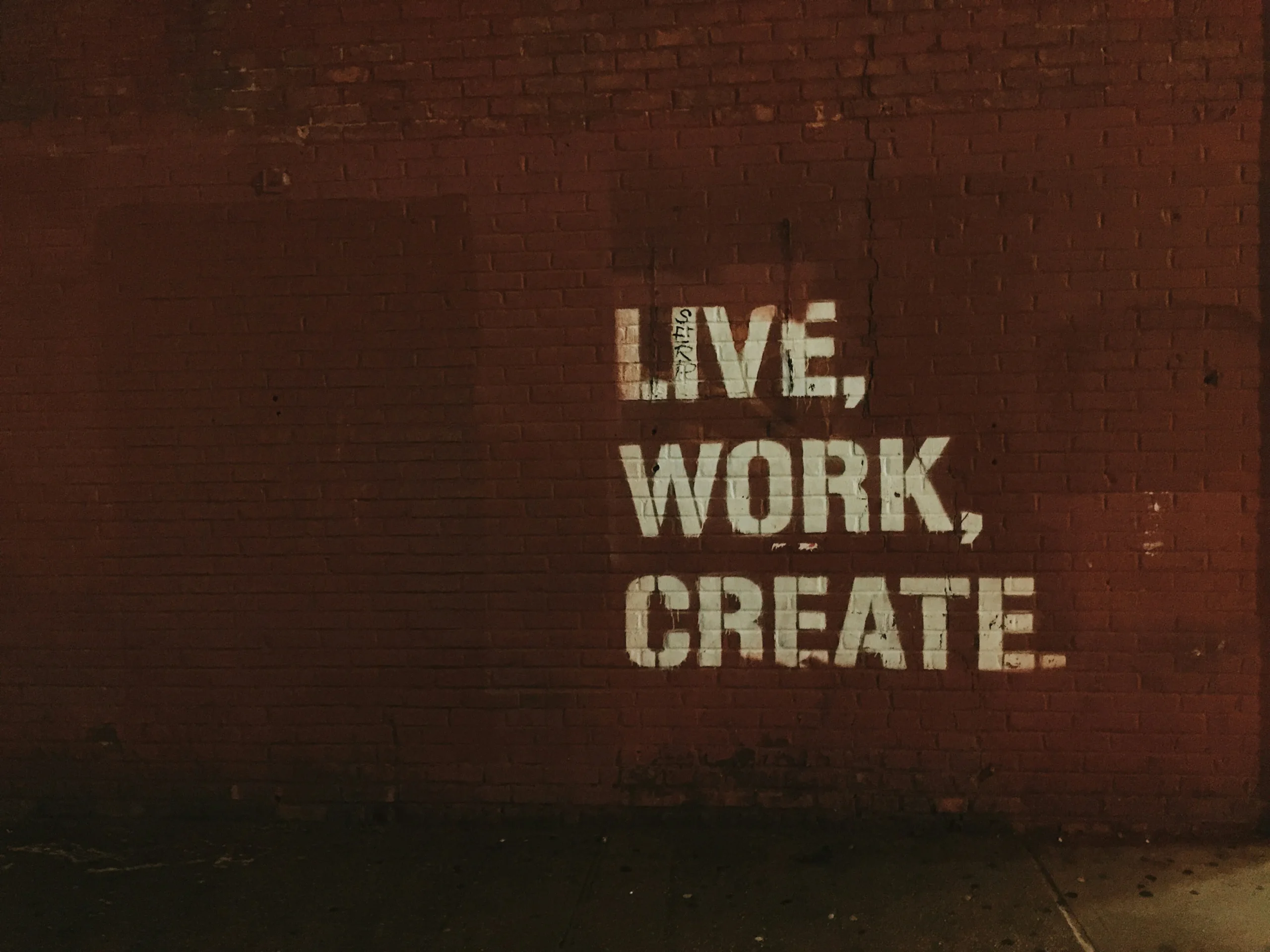
Breaking with the old industrial schemes of the last century allows us to build a productive environment where personal well-being directly enhances the company's financial results.
Read more: Best Personal Loans 2025: Interest Rate Comparison
Analyze the detailed operational metrics in our modalities matrix, set clear digital boundaries in your daily routine, and prioritize your overall health over excessive demands.
By consciously choosing work-life balance, you contribute to building a much fairer, healthier, and truly sustainable professional culture for everyone.
Frequently Asked Questions about Work-Life Balance
Does the four-day workweek reduce the wages of workers who adopt it?
No, successful models applied globally maintain one hundred percent of the original salary, requiring in return the maintenance of the same level of total previous productivity.
How can a freelancer balance their budget if they depend on multiple clients?
Strict service hours should be set, after-hours responses should be automated, and projects should be budgeted including mandatory rest days.
Does fully remote work alone guarantee a good work-life balance?
Not necessarily, because if the employee does not physically delimit their workspace within the home, they run the risk of extending their workday indefinitely.
What can small businesses do that cannot afford complex hybrid schemes?
They can start by offering flexible start and end times, granting days off for goals achieved, and eliminating work communications outside the office.
