
Hidden fees in services: how to identify them before paying
Advertisements
The hidden fees in services They represent a daily challenge that silently undermines personal budgets. These are not usually unintentional errors, but rather precisely designed mechanisms to extract small sums that, when accumulated, have a significant impact on the finances of any household.
Despite advances in financial regulation, many companies maintain their profit margins through ambiguous surcharges. Identifying these charges requires going beyond initial advertising, reviewing the fine print, and questioning budgets before authorizing any payment.
What are hidden fees and why do they appear on your bills?
These are additional costs that companies deliberately omit from the main offer. They are disguised under vague terms such as management fees, digital processing, maintenance, or early termination penalties.
This price fragmentation follows a clear business logic: present an attractive price to attract the customer and then pass on the indirect operating costs. It's a model that erodes trust, but persists because it's profitable.
Advertisements
To understand how regulatory frameworks attempt to curb these practices, it is helpful to review consumer protection guidelines from the U.S. Federal Trade Commission (FTC).
Understanding this mechanism is the only way to anticipate the first account statement and avoid unpleasant surprises.
What are the most common hidden fees in daily services?
In the banking sector, the creativity in charging fees is vast: inactivity fees, account maintenance fees, or transfers that suddenly become free. Telecommunications companies, for their part, often hide costs in router rentals or automatic price increases when promotional offers expire.
The tourism sector is not far behind, adding accommodation taxes, last-minute baggage fees, and service charges on digital platforms.
| Sector | Common Hidden Rate | Estimated Average Impact | Prevention Method |
| Banking | Account maintenance | 5 $a 15$ monthly | Maintain the minimum required balance |
| Telecommunications | Modem or router rental | 10 $a 20$ monthly | Acquire your own compatible equipment |
| Tourism / Hotels | Resort Fee / Service fee | 15% to 30% above the base rate | Request the final breakdown before booking |
| Digital Platforms | Automatic renewal without notice | 20% to 40% annual increase | Cancel automatic renewal on time |
Analyzing this breakdown carefully allows you to detect where the money is leaking before signing any long-term commitment.
How to identify the hidden fees in services before making a payment?
Demanding a written breakdown is the first line of defense. If the company hesitates to provide it, that's usually the first red flag.
It's advisable to review the terms and conditions, looking for asterisks or footnotes, where the true costs are often hidden. Asking the seller directly about any additional administrative fees helps ensure transparency in the sale.
When shopping online, it's crucial to check the final screen before entering your bank details, as this is where unsolicited insurance or service charges are often added. Looking for reviews on independent forums can also help you identify if the company is repeatedly applying unauthorized charges.
Why do companies use fragmented pricing strategies?
There is a key psychological factor at play: a low base price reduces initial resistance to purchase. By breaking down the total cost into smaller items, the consumer doesn't grasp the true extent of the expense until they are already involved in the process.
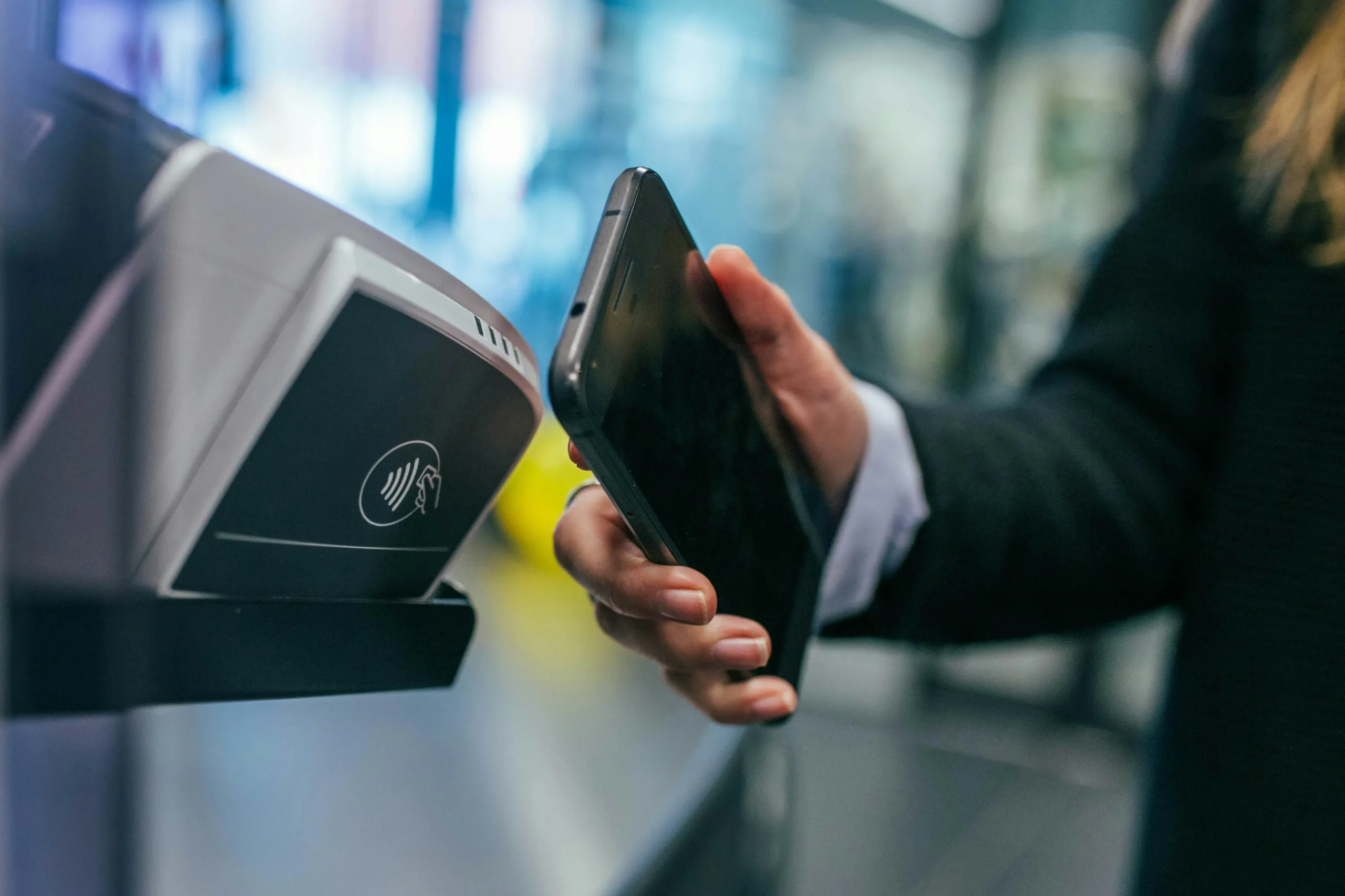
This strategy creates a sunk cost bias. When the user discovers the hidden fees in services At the end of the purchase process, he usually accepts the higher price so as not to waste the time he has already invested.
Read more: Targeted energy subsidies: who retains the benefit
It is an unfair practice that prioritizes immediate conversion over long-term customer loyalty.
When are you entitled to claim a refund for a charge that was not agreed upon?
If a surcharge was not explicitly stated in the original contract or accepted offer, the claim is legitimate. Consumer regulations prohibit unilateral modifications and arbitrary charges.
Read more: Professions that require registration: changes this year
To support your claim, it's essential to save screenshots, emails, and receipts showing the initial offer. Submitting this documentation to customer service usually resolves the issue without further escalation.
If the company does not respond or rejects the request without justification, the next step is to contact the official consumer protection agencies in your country.
What digital tools help detect unauthorized charges on your accounts?
Personal finance apps allow you to monitor fixed expenses and alert you to unexpected changes in monthly amounts. Setting up instant bank notifications on your phone helps detect any unauthorized debits the moment they occur.
Read more: Forgotten digital subscriptions: how to detect hidden charges
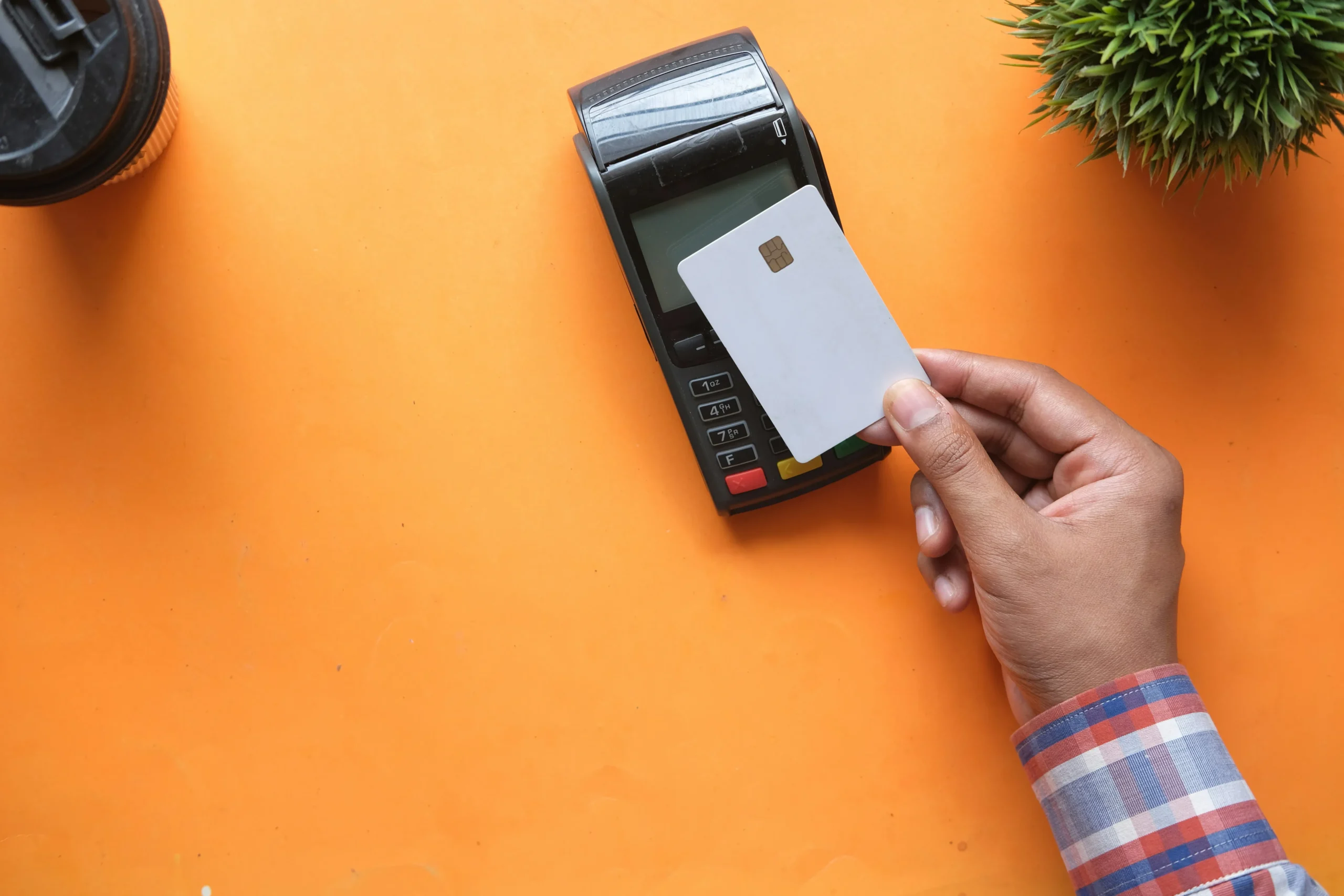
Reviewing bank statements line by line remains an irreplaceable habit for locating systematic micro-charges that often go unnoticed.
Using virtual cards with a defined balance limit prevents platforms from making automatic charges without explicit authorization.
Also, consult the reports of the International Consumer Protection and Law Enforcement Network (ICPEN) It allows you to learn about the deceptive collection methods that are trending globally.
How to build a definitive financial shield against hidden charges?
Curbing the impact of hidden costs requires a firm and vigilant approach. The difference between maintaining budget control and experiencing constant cash leaks lies in the habit of questioning invoices, demanding transparent contracts, and monitoring every bank transaction.
Financial transparency is not granted; it is required before authorizing any payment.
Frequently Asked Questions (FAQ)
Is it legal for companies to charge fees that were not in the initial advertising?
In most consumer protection laws, this is illegal. Businesses are required to display the final, integrated price before completing the transaction.
What should I do if I discover unauthorized charges on my credit card?
Immediately notify the card issuer, deny the transaction, and request that the card be blocked to prevent future charges.
Can I cancel a contract if rates increase without prior notice?
Yes. Any unilateral modification of the contractual economic conditions gives the client the right to terminate the service without any penalty.
How can I avoid automatic charges after a free trial period ends?
Set a reminder to cancel the subscription at least 48 hours before the trial expires; this prevents the system from processing the charge for the first cycle.
