
How the House-to-House Health program is being used to bring medical care to the elderly and people with disabilities
Advertisements
Access to health is a fundamental right that, unfortunately, is difficult for a crucial part of our population: older adults and people with disabilities.
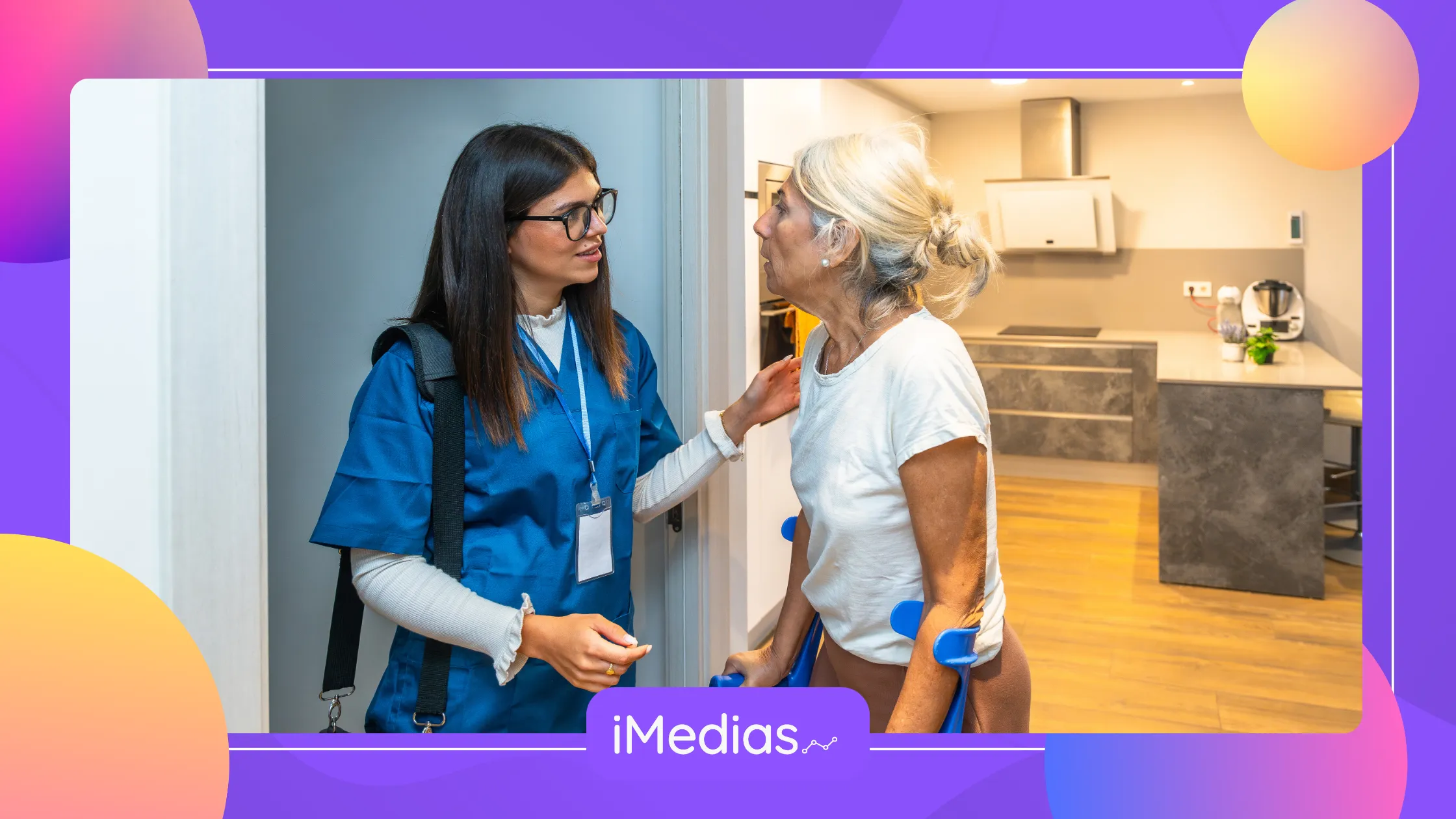
He Home Health program Por Casa stands as a vital initiative to close this gap, bringing medical services directly to those who need them most.
This strategy not only alleviates the physical burden of mobilization, but also injects dignity and equity into the Mexican social welfare system.
We will analyze how this scheme is implemented and its impact on the quality of life of the beneficiaries.
Advertisements
The primary objective of Home Health program Casa's goal is to guarantee comprehensive medical care at home.
This approach is specifically designed for those citizens who face significant barriers to accessing clinics or health centers.
We are talking about reduced mobility or chronic conditions that prevent safe transport.
How is the Home Health Brigades Operation Organized?
The program's operation is based on multidisciplinary teams made up of doctors, nurses, and social work staff.
These teams are strategically deployed in urban and rural communities.
Their visit is not by chance, but part of a planned schedule based on the specific needs of each patient.
++How to pivot your career to a tech industry
The process begins with a meticulous census and registration of eligible people, prioritizing vulnerability and urgency.
Each brigade carries the necessary equipment to perform basic consultations and monitoring. The logistics of distributing medications and medical supplies are also essential to their success.
What specific services can patients receive at home?
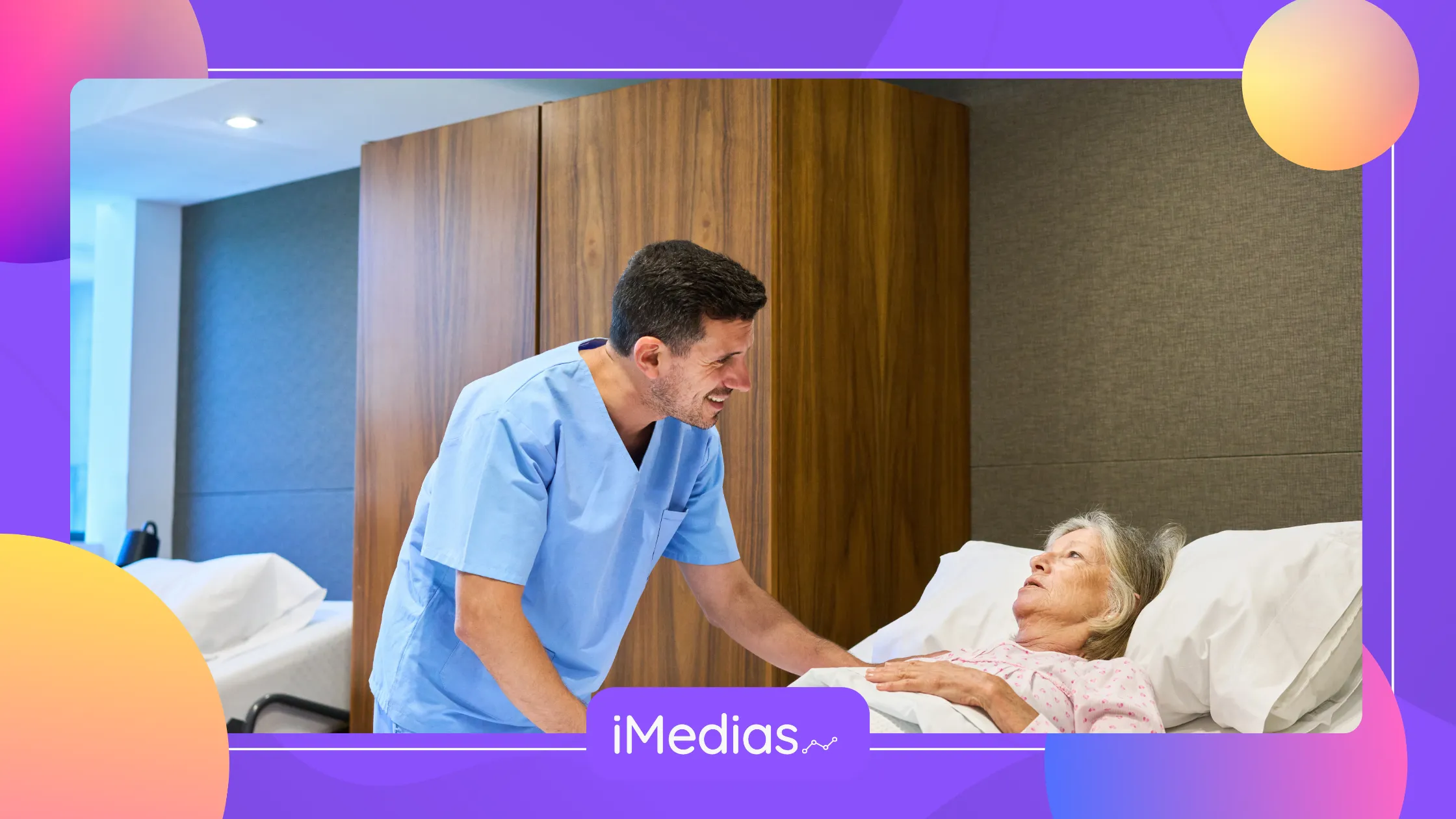
The services offered are extensive and seek to replicate, as far as possible, the care that would be received in a medical unit.
++Cities like Mérida and Puebla offer excellent quality of life at lower prices.
General medical consultations are included for the diagnosis and treatment of common illnesses. Management of chronic conditions such as hypertension and diabetes is also provided.
Nursing staff administer vaccines and collect biological samples for regular clinical analysis.
In addition, essential guidance on palliative care is provided, along with psychological and social support. This ensures comprehensive management of the patient's well-being.
What are the most tangible benefits of home healthcare?
The main advantage is the elimination of transfer barriers, which are often insurmountable for people with reduced mobility.
++Mexican government confirms increase in Welfare Pension starting July 2025
An equally important benefit is the personalization of care. By visiting the home, medical staff gain a more complete understanding of the patient's environment.
This makes it easier to adapt treatments and recommendations to your daily reality.
The comfort and tranquility of being treated in one's own environment translates into a better disposition and adherence to treatment.
Furthermore, it strengthens the bond of trust between the patient and the health system.
Let's think about Doña Elena, an 85-year-old woman with severe osteoarthritis who lived in anguish over how to get to her next appointment.
Thanks to the program, she receives her glucose monitoring directly in the comfort of her living room. This represents a life-changing transformation, turning a stressful obligation into a dignified and everyday act of self-care.
How does the program contribute to the early detection of diseases?
By establishing regular contact with the most vulnerable population, the program becomes an active agent of early detection.
The teams routinely conduct screenings and pay special attention to warning signs that might otherwise be overlooked.
A timely visit can mean the difference between a simple treatment and a serious complication.
He Home Health program Casa acts as a beacon illuminating dark corners of public health.
Just as a lighthouse guides sailors navigating in difficulty, the program brings the light of medical care to those isolated by illness or age.
How does this strategy contribute to strengthening preventive medicine?
The constant presence of the brigades allows for continuous and highly focused health education.
Patients and their caregivers are instructed on healthy habits, proper diet, and the importance of hygiene. This support promotes a culture of preventative self-care within the family.
Is there any evidence of the program's positive impact at the national level?
The Ministry of Welfare has documented the progressive reach of this type of initiative in Mexico.
According to data from the National Survey of Demographic Dynamics (ENADID) 2018, 15.21% of the population aged 60 and over in Mexico reported having some limitation to perform basic daily living activities.
Although this data predates the consolidation of the program, it clearly illustrates the underlying need it addresses.
The central objective of these policies is to reduce this number through continuous care and medical support at home.
| Coverage Indicator (Estimate 2024-2025) | Senior Citizens Cared For | People with Disabilities Served | Percentage of Rural Coverage |
| Annual Program Goal | > 1,200,000 | > 500,000 | > 40% |
| Common Services Offered | Chronic Monitoring | Physical Therapy and Rehabilitation | Vaccination |
What makes the difference Home Health program of Traditional Care Models?
The main difference lies in the proactive nature of the service. The traditional system waits for the patient to come to them; this program goes out to find them.
This role reversal is crucial in contexts of high marginalization or when illness severely limits mobility. It is an example of empathetic public policy.
Isn't the true value of a health system its ability to reach every corner where a person needs vital help?
In a small town in the Sierra de Oaxaca, where the nearest clinic is hours away, the team from Home Health program He was able to diagnose a respiratory infection in a child with Down syndrome in time.
Without this home visit, the prognosis would have been much grimer, demonstrating the program's ability to save lives on the periphery.
Conclusion: Why is the Home Care Model Crucial for the Future of Mexican Social Welfare?
He Home Health program Casa is not merely a complement, but a fundamental pillar for a fairer and more equitable society.
By focusing its efforts on the most vulnerable population, it ensures that the right to health is not just a constitutional promise, but a tangible reality.
This home care strategy humanizes the service and optimizes resources by prioritizing prevention and early management.
Mexico is moving towards a welfare model where age or disability are not impediments to receiving quality care.
Frequently Asked Questions: Home Health Program
Who can benefit from the program?
The program is aimed at older adults who cannot get around and people of any age who have a disability that prevents them from going to health centers.
Does the program replace care in clinics and hospitals?
No, it works as an essential complement, especially for monitoring chronic diseases and preventive care at home.
Is there a cost for the beneficiaries?
The program is a free public service, part of the Mexican government's welfare strategies for the most vulnerable population.
How can I apply to join the program?
Recruitment is generally managed through direct censuses of the brigades or by applying at welfare modules or local health facilities.
