
Agricultural employment: the sector that lost jobs in Mexico
Advertisements
Analyze the dynamics of agricultural employment The Mexican labor market reveals a progressive decrease in agricultural workers due to drought, operating costs, and mechanization.
Official labor market figures reflect that primary activities experienced a notable decline in employment, affecting both small producers and traditional agricultural day laborers.
Understanding the economic, climatic, and modernization factors driving this phenomenon in 2026 is fundamental to assessing food security and social development in rural communities.
Why did jobs decrease in the Mexican countryside?
Severe recurring droughts in Mexico's main agricultural regions reduced the area cultivated under rainfed conditions, limiting the demand for labor during the planting and harvesting stages.
Advertisements
The continuous increase in the prices of fertilizers, certified seeds, and fossil fuels forced thousands of producers to cut hiring in order to maintain minimum operating margins for economic viability.
At the same time, the migration of rural workers to urban areas or to the frontier industrial sector caused a shortage of young labor available on family farms.
| Labor and Productivity Indicator | Recent Trend Observed | Main Determining Factor | Direct Social and Economic Impact |
| Primary Employed Population | Constant percentage reduction | Water stress and prolonged drought | Labor migration towards services and industry |
| Daily Agricultural Wages | Fewer job openings | High costs of agricultural inputs | Decline in income for rural families |
| Machinery Adoption | Increase in commercial zones | Pursuit of operational efficiency | Gradual replacement of manual labor |
| Temporary Sown Area | Contraction in basic grains | Lack of regular rainfall | Displacement of small farmers |
How does agricultural mechanization impact the rural workforce?
Large agricultural export companies are investing heavily in drip irrigation systems, climate sensors, and automated harvesters to maximize yield per hectare cultivated in the country.
This technological adoption optimizes water resources in arid zones, but drastically reduces the number of manual operators required for each horticultural production cycle.
Workers need to acquire specialized technical skills to operate modern machinery, leaving traditional day laborers who lack technological training in the primary sector behind.
Detailed official metrics on employment, informal employment and the performance of productive sectors are published periodically by the National Institute of Statistics and Geography, a statistical benchmark in the country.
Monitor the evolution of agricultural employment It allows institutions to design public job retraining programs that protect the economic well-being of the most vulnerable communities.
Which regions of Mexico suffered the greatest loss of agricultural workers?
The northern and north-central states of the country registered sharp declines in hiring due to low reserves in agricultural storage dams.
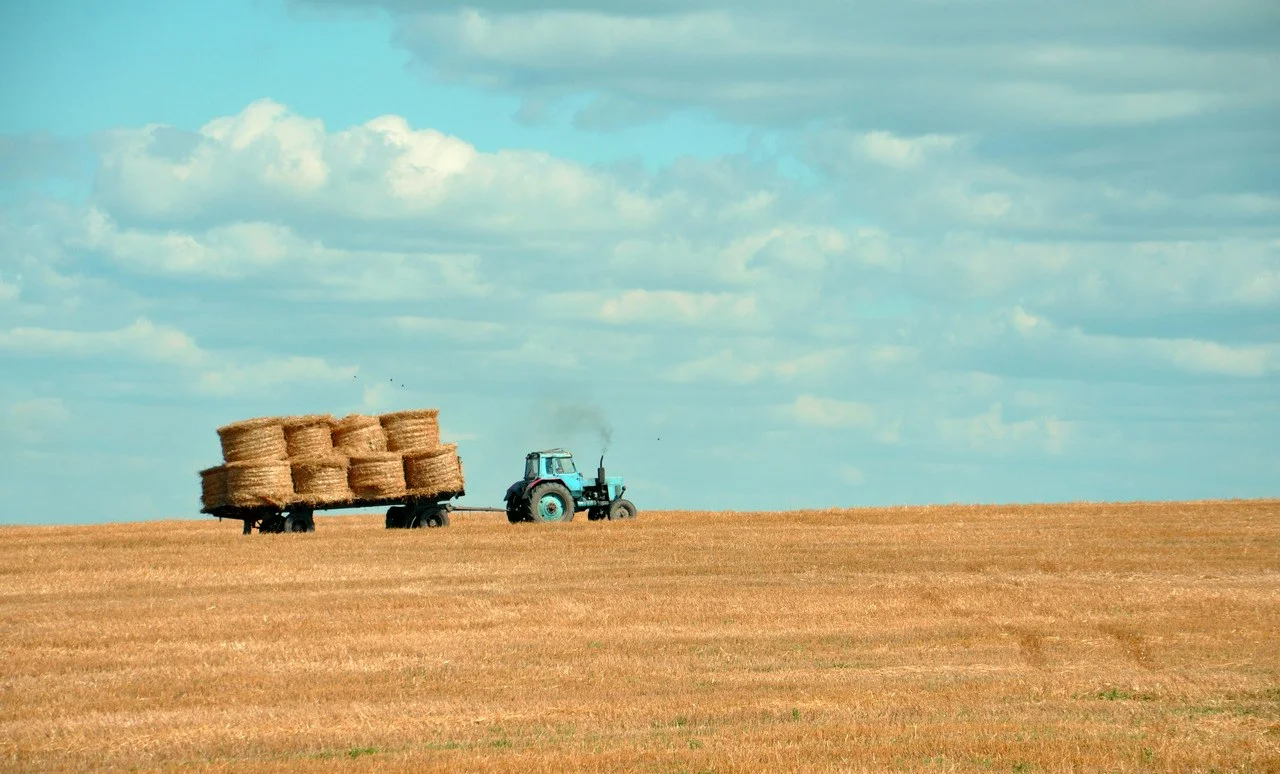
Areas in the south of Mexico face structural challenges linked to small landholdings and a lack of accessible financing, which discourages young people from remaining in rural areas.
Read more: Logistics and warehouse jobs: positions in high demand
The shift from traditional agricultural activities towards crops of higher commercial value, such as avocados or berries, modified temporary hiring schemes in various regions.
What are the challenges in employment conditions for day laborers?
The high rate of informal employment that characterizes agricultural work makes it difficult for day laborers to access social security and legally mandated medical benefits.
Low daily wages and seasonal job volatility stagnate the purchasing power of rural households, driving the search for informal income alternatives.
Read more: University job boards: how to take advantage of their benefits
Promoting administrative formalization schemes helps stabilize the labor supply in the countryside, guaranteeing fundamental rights to the workers who sustain food production.
Specialized studies on the development of agricultural activities and public policies in the sector can be found in the Ministry of Agriculture and Rural Development, specialized federal agency.
How can the agricultural sector be restructured to regain stability?
Implementing precision agriculture technologies adapted to small producers allows for increased productivity without requiring capital investments that are unattainable for local economies.
Promoting technical training for young people in greenhouse management and agroecological systems creates higher value-added skilled jobs within existing rural communities.
Strengthening accessible financial credit and climate risk insurance protects farmers' assets, stabilizing the demand for personnel throughout the production cycle.
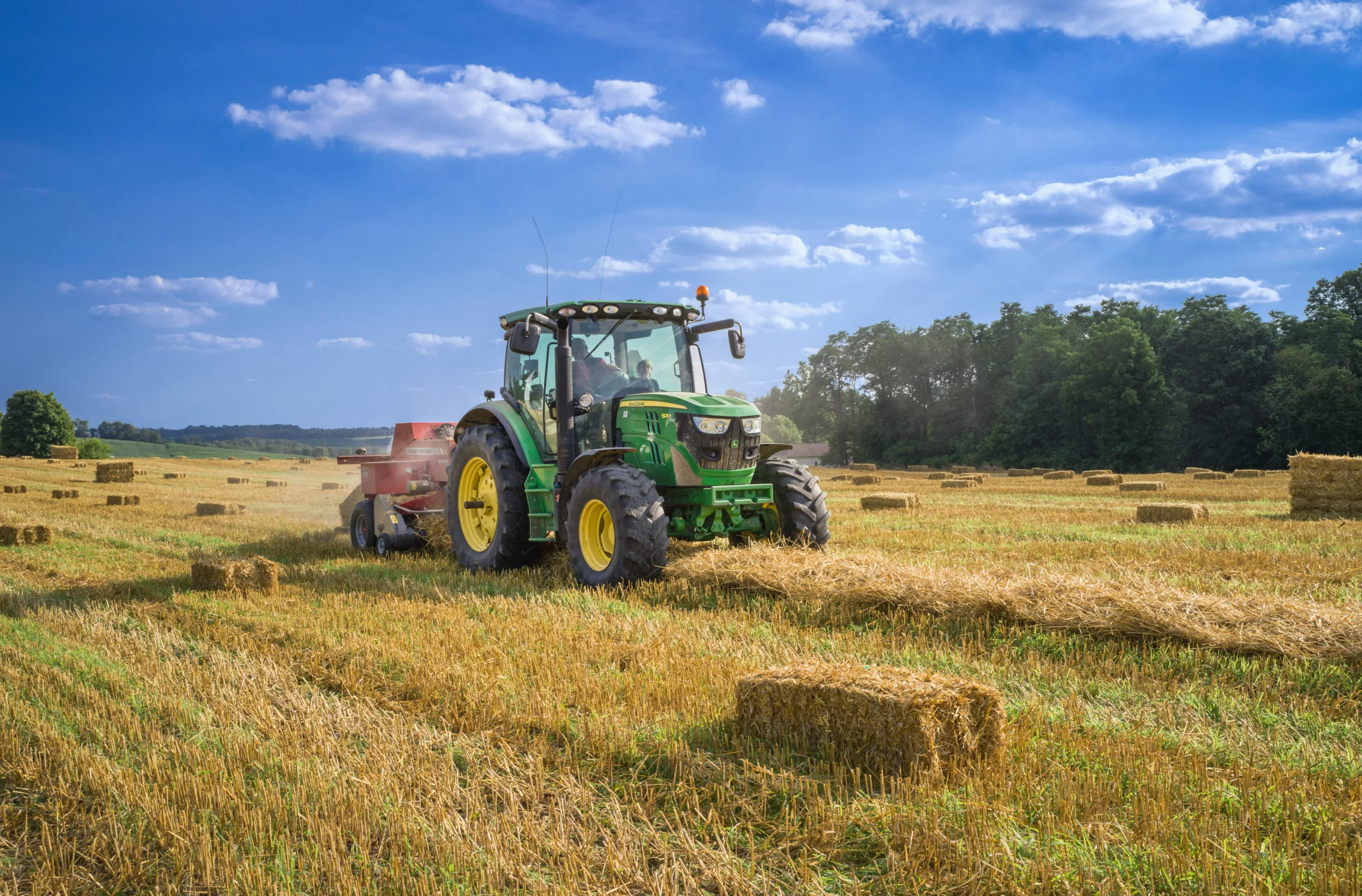
Read more: Job openings for seniors: how to access employment with INAPAM
Betting on a balanced transformation of the countryside will guarantee national food sovereignty, generating decent, sustainable and attractive job opportunities for future generations of workers.
Frequently Asked Questions (FAQ)
Why does drought directly affect the hiring of agricultural workers?
The lack of water reduces the hectares planted and the total production, causing farmers to require fewer day laborers for planting, maintenance and harvesting in the field.
What types of crops employ the most labor in Mexico?
Export crops such as vegetables, berries, and fruits require more skilled manual labor compared to mechanized staple cereals and grains.
How does urban migration influence the availability of agricultural employment?
The migration of young people to cities in search of better wages reduces the available workforce in the countryside, accelerating the need for mechanization in the sector.
