Digital fatigue in 2026: why users are reducing their social media use
Advertisements
The Digital fatigue in 2026 It has become the dominant social phenomenon, prompting millions of people to radically re-evaluate their daily relationship with screens.
This cognitive exhaustion is not simply a passing trend. It is a biological and psychological response to the saturation of algorithmic stimuli that now dominate our existence.
We will analyze the underlying causes behind the abandonment of platforms and how the search for authenticity is redefining current content consumption.
What is digital fatigue in 2026 and why is it exhausting us so much?
We understand this concept as the mental breakdown resulting from constant exposure to intrusive notifications and the pressure of hyperconnectivity.
Advertisements
In this context, the Digital fatigue in 2026 It differs from previous years due to the massive integration of synthetic content that has saturated every corner of the network.
Users today are experiencing a kind of "content blindness." There's something unsettling about the inability to distinguish the human from the artificial; it generates a distrust that's more tiring than blue light itself.
This saturation blocks our ability to process information, turning navigation into a heavy burden instead of a learning experience.
Why are users abandoning social media?
The main reason for the exodus lies in the loss of real value. The platforms seem to have forgotten human connection, prioritizing instead a forced and somewhat sterile retention.
Many internet users feel that algorithms no longer serve their interests, but instead create echo chambers that only fuel anxiety.
Furthermore, the increase in intrusive advertising has degraded the experience to the point of making it almost unbearable.
The Digital fatigue in 2026 It arises as a silent protest against the absolute commercialization of our attention.
It is exhausting to be treated merely as a piece of data within an endless and noisy advertising inventory.
How does cognitive well-being influence current disconnection?
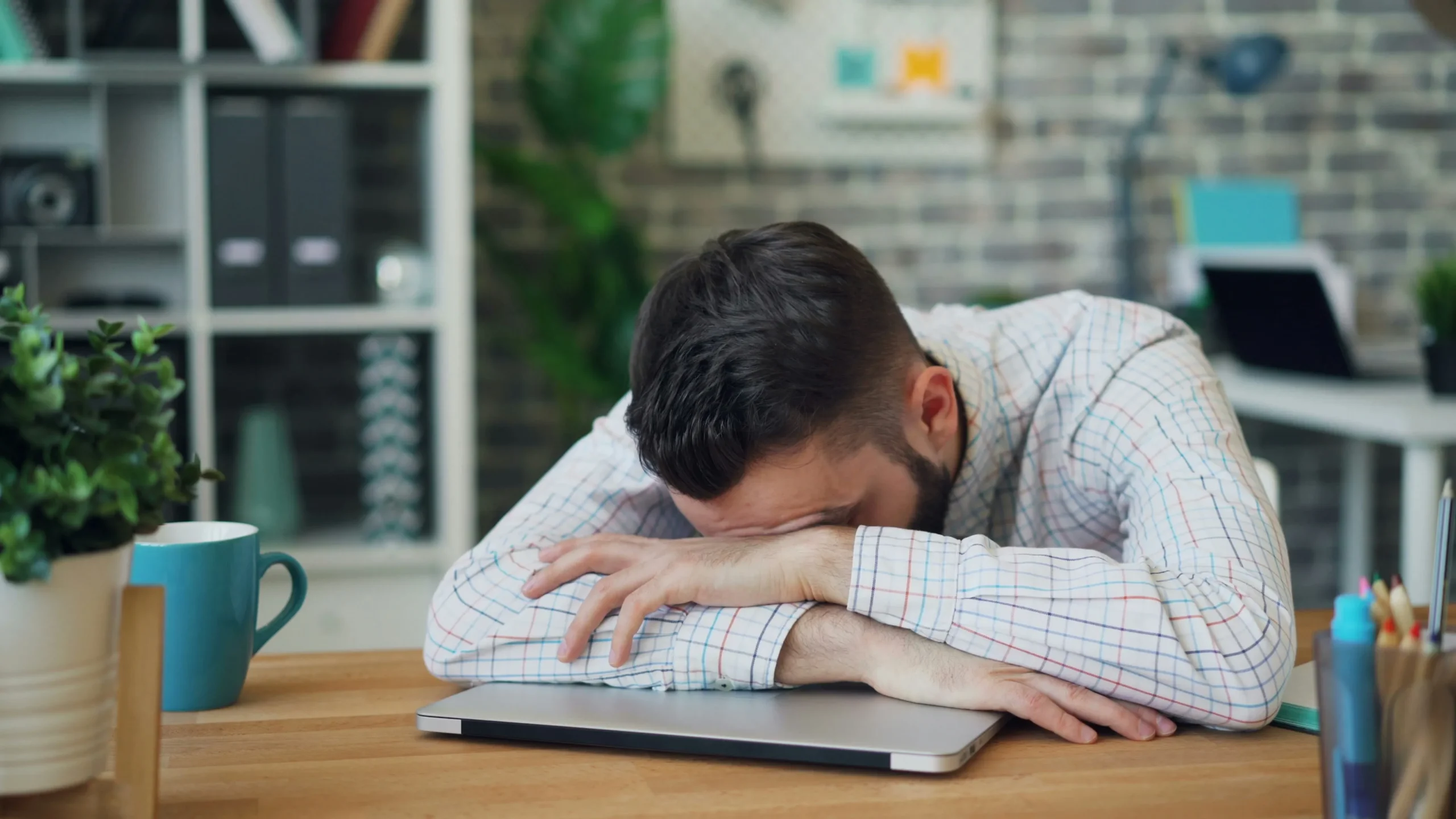
Neuroscience has been clear: digital multitasking fragments our focus and triggers cortisol levels.
By reducing app use, the improvement in sleep quality is almost immediate. It's as if the brain can finally turn down the volume on the nonstop white noise.
The desire to live analog experiences has taken on unexpected relevance, driving activities that do not require an interface.
Combat the Digital fatigue in 2026 It involves setting drastic limits. Regaining control over the time spent passively observing other people's lives is, perhaps, the first step towards sustainable mental health.
What data reflects the change in digital behavior?
To understand the magnitude of this shift, one need only observe how digital social interaction has mutated in the last two fiscal years.
| Consumption Metric | Daily Average 2024 | Daily Average 2026 | Variation % |
| Time spent on social media | 2h 45m | 1h 55m | -30% |
| App Uninstall Rate | 12% | 28% | +133% |
| Use of Wellness Tools | 15% | 45% | +200% |
| Interaction with Advertising | 3.5% | 1.2% | -65% |
What are the consequences of information overload?
Information overload has reached a critical point where the brain simply shuts down to protect itself.
This defensive response to the Digital fatigue in 2026 It manifests as a deep apathy towards global news.
We now prefer short, specific content that, above all, has a clear ending.
Read more: How to build a personal “care” system: emotional, physical and digital self-care
This fragmentation makes it difficult to create deep narratives, forcing creators to seek more honest ways of communicating.
Data overload is not just exhausting; it erodes empathy. Excessive stimuli, whether tragic or trivial, ultimately desensitize the viewer, leaving them empty in front of a bright screen.
When is it necessary to apply a deep digital “detox”?
Identifying warning signs is vital. If your first impulse upon waking is to reach for your phone, dependence has already taken hold.
Experts suggest periods of total disconnection to reset dopamine receptors, which are disrupted by intermittent network reinforcement.
Read more: Living with less screen time: why Gen Z and millennials are cutting back on digital time
Implementing strict digital hygiene helps mitigate the Digital fatigue in 2026It allows us to regain our sense of wonder at physical reality.
Digital silence has become the new luxury, a distinction for those who value their peace above ephemeral relevance.
What role does privacy play in the rejection of these platforms?
Distrust surrounding the handling of biometric data has reached an all-time high. Many profiles that once seemed essential are now being closed without a trace.
Users are aware of the invisible tracking and how every gesture is packaged for sale, which creates a feeling of constant surveillance.
This awareness of personal sovereignty reinforces the Digital fatigue in 2026The cost of “being connected” is perceived today as an unacceptable loss of freedom.
Read more: Social Media Privacy: 10 Things You Shouldn't Share Online
The search for decentralized alternatives points towards a more respectful internet, although we are still in a somewhat uncertain transition phase.
The new paradigm of human interaction
Reducing time spent on social media does not signal the end of technology, but rather the beginning of selective and useful consumption.
The phenomenon of Digital fatigue in 2026 It marks a milestone: the quality of the connection has begun to win the battle against the quantity of empty interactions.
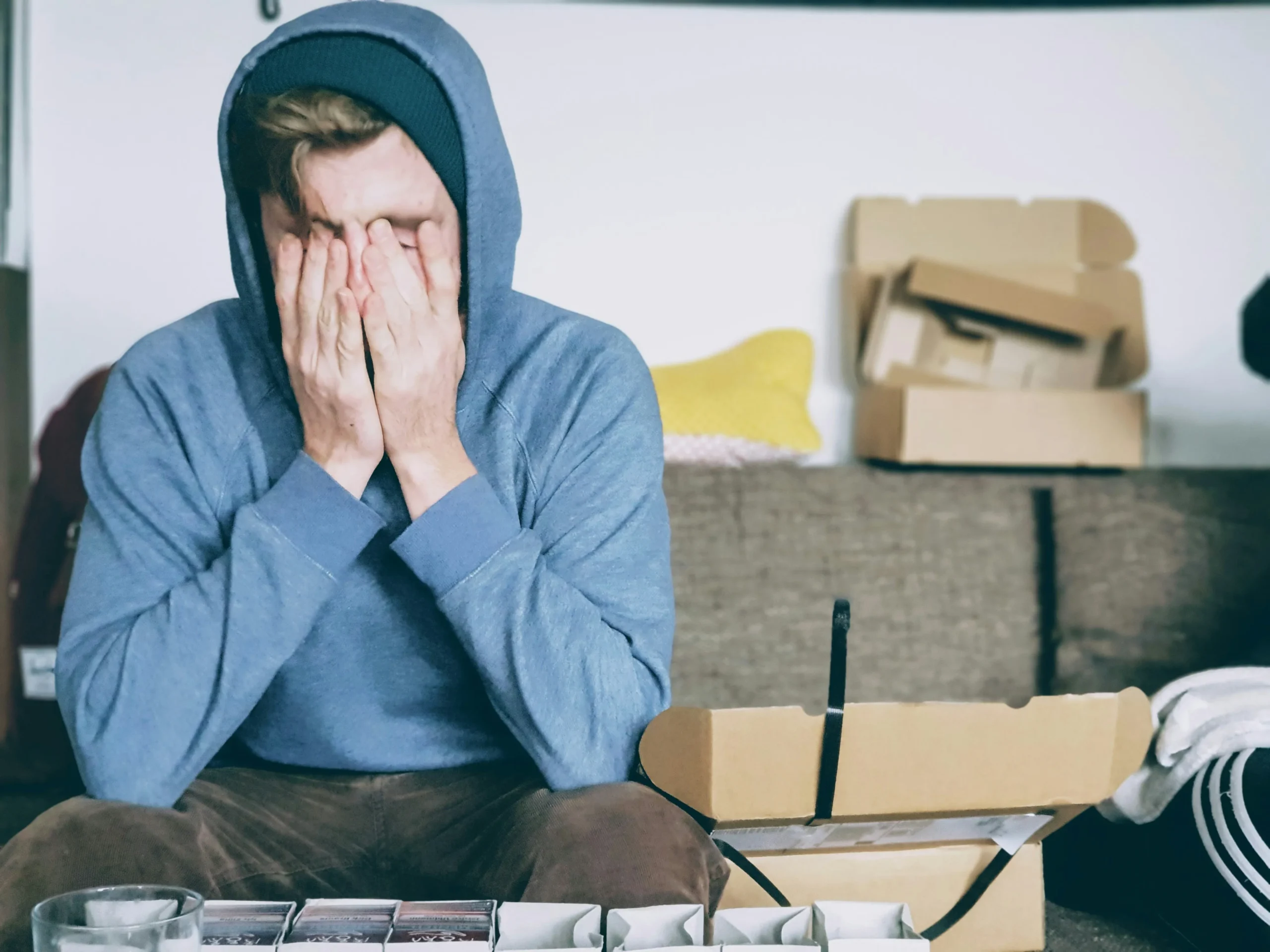
We seek belonging and purpose, elements that are rarely found in a recommendation algorithm.
Prioritizing real-life presence over digital representation is the most revolutionary act of our decade. It is, ultimately, the only way to guarantee an emotional balance that is, at last, lasting.
To learn more about how technology impacts our biology, you can consult studies on brain health at the World Health Organization.
FAQ: Frequently Asked Questions
How can I tell if I'm suffering from digital fatigue?
Unjustified irritability, eye strain, and anxiety when unable to check your device are clear indicators that your brain urgently needs a break.
Is it possible to disconnect from the networks without becoming isolated?
Absolutely. Most people find that their real-life connections are strengthened by making direct calls and meeting up in person, cutting out the unnecessary noise of public platforms.
Are there tools to limit screen time?
Both modern operating systems and external apps allow you to set up blocks after reaching a daily limit, making it easier to transition to a much healthier habit.
Why has artificial intelligence worsened fatigue?
AI allows the internet to be flooded with generic content. This soulless sea of information forces the brain to work harder to filter what is authentic from what is simply filler.
What does digital minimalism propose?
It is a philosophy that advocates using only those technological tools that bring tangible value to your life, discarding the rest as distractions that consume vital energy.
