
Invisible payments 2026: how interactionless purchases work
Advertisements
The Invisible Payments 2026 They represent the culmination of eliminated friction, transforming the shopping experience into a fluid, biometric, and fully automated process for today's consumer.
This trend, which began with pilot tests in convenience stores, has expanded globally, integrating artificial intelligence and advanced sensors into conventional retail.
What are invisible payments and why are they leading the market?
The definition of Invisible Payments 2026 It refers to monetary transactions executed without the need to go through a cash register, use physical cards, or manually scan QR codes.
The system identifies the user through their digital profile linked to biometric data, automatically processing the payment upon leaving the commercial establishment.
Advertisements
This technology is not simply a convenience, but a response to the modern consumer's demand for immediacy, who rejects prolonged waits.
Mass deployment has been made possible by the deployment of experimental 6G networks and edge data processing (Edge Computing).
Confidence in these systems has grown due to the accuracy of machine vision algorithms that distinguish products with millimeter precision.
Currently, the architecture of these payments is integrated with state-of-the-art digital wallets that manage crypto assets and digital sovereign currencies.
How does offline shopping work?
The technical operation is based on an Internet of Things (IoT) infrastructure that monitors every customer movement within the physical retail space.
Weight sensors on shelves and cameras with gesture recognition detect which item has been removed or returned by the buyer.
When a user enters the store, their identity is validated through a digital “handshake” between their mobile device and the store's antennas.
From that moment on, each interaction is recorded in a virtual basket linked to your bank account or digital balance.
The process ends when the customer crosses the exit threshold, where the system logs them out and issues an instant digital receipt.
This dynamic eliminates the concept of "payment" as a conscious act, turning it into a logical and natural consequence of the act of acquisition.
Why will facial and palm biometrics dominate invisible payments by 2026?
Security has taken a qualitative leap by replacing traditional passwords with unique biological traits that are virtually impossible to duplicate or illicitly transfer.
Palm vein recognition and 3D facial mapping ensure robust and fast authentication.
Financial institutions have adopted these standards to reduce identity theft fraud, which has fallen dramatically in the last two fiscal years.
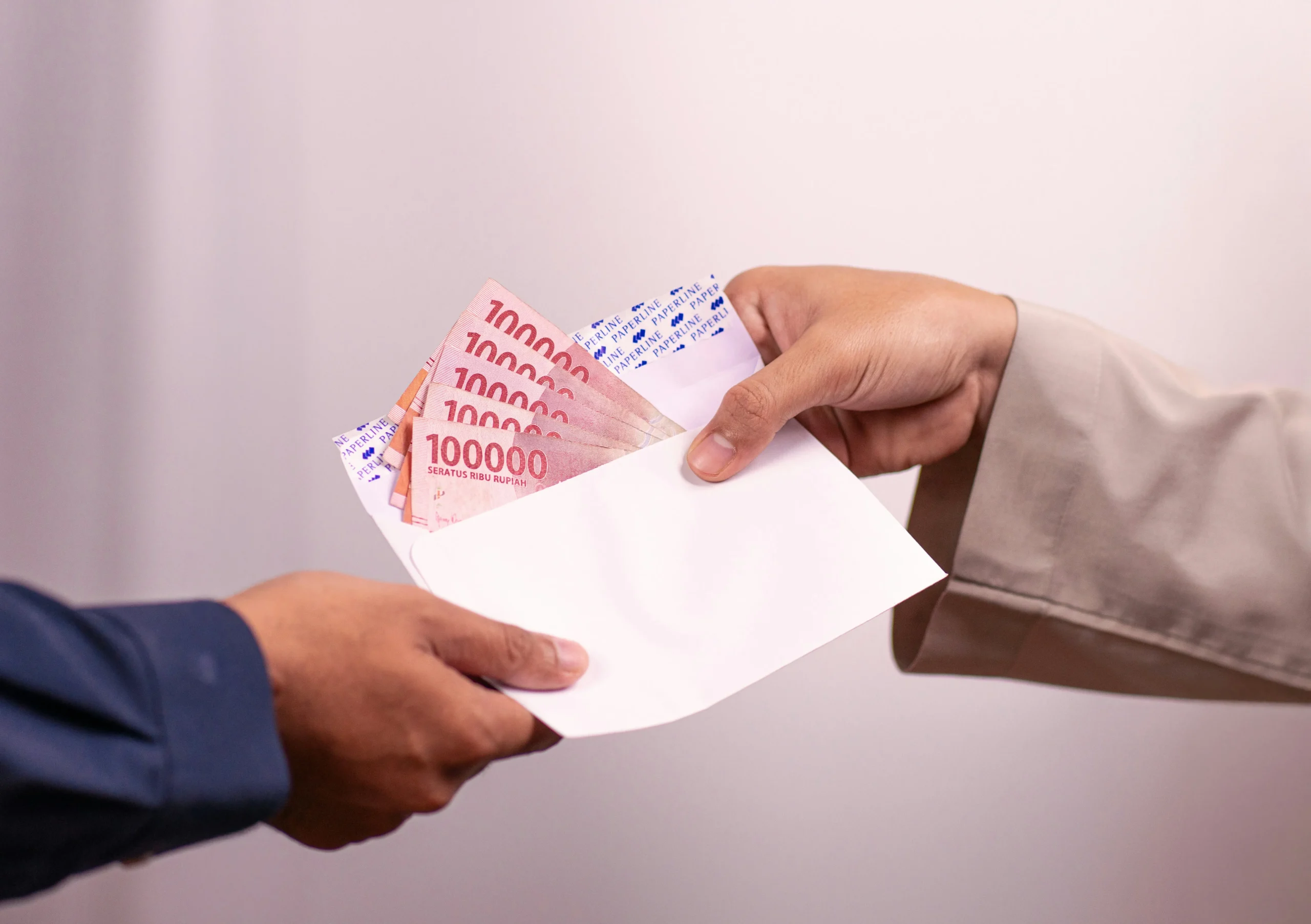
You can find out more about the international biometric security standards to understand how your sensitive personal data is protected today.
The user no longer fears forgetting their wallet or their phone running out of battery during their shopping trip.
Their own body acts as the access key and the ultimate validation method, simplifying the daily lives of millions of people.
What are the operational advantages for today's businesses?
For retailers, adopting this model means unprecedented optimization of human resources and real-time inventory management. Staff, previously dedicated to mechanical checkout tasks, now focus on personalized service and expert advice.
| Characteristic | Traditional Payment (2020) | Invisible Payments 2026 |
| Waiting time | 5 to 15 minutes | 0 minutes |
| Physical interaction | High (Cards/Cash) | Null (Automated) |
| Stock Accuracy | Manual/Delayed | Automatic/Instant |
| Identification Method | PIN or Signature | Advanced Biometrics |
| Customer friction | High (Queues) | Non-existent |
When will we see this technology in local shops?
Although large-scale production began in supermarkets, the Invisible Payments 2026 They are reaching pharmacies and local stores through low-cost modular hardware kits.
The democratization of artificial intelligence allows smaller businesses to compete in user experience with global technology giants.
Integrating these systems does not require massive structural changes to the premises, as current sensors are discreet and connect via wireless protocols.
Read more: How to use technology to be more productive?
This facilitates a gradual transition where the customer chooses the level of automation they prefer to use during their visit.
It is important to highlight that the support infrastructure has become more energy efficient, reducing the environmental impact of the servers that process these purchases.
Sustainability is now a central pillar in the implementation of any new financial technology on the continent.
What impact does artificial intelligence have on responsible spending?
AI not only facilitates payment collection, but also helps consumers maintain strict control over their finances through smart predictive notifications.
Virtual assistants analyze shopping habits and suggest cheaper or healthier alternatives as the user walks through the physical aisles.
Read more: How Artificial Intelligence Is Transforming Different Industries
This transparency is vital to prevent the lack of physical interaction from leading to impulsive or uncontrolled spending by the customer.
Modern banking application interfaces offer detailed breakdowns of every penny invested in these automated environments immediately.
To delve deeper into economic evolution, the Organisation for Economic Co-operation and Development (OECD) It offers detailed reports on the digitization of the global economy and its social impact.
These documents analyze how payment automation influences inflation and consumer behavior.
Reflection on the silent economy
The consolidation of the Invisible Payments 2026 It marks the end of an era where physical money and waiting defined our ability to consume.
We have moved from manual validation to systemic trust based on biometrics and big data processing.
Read more: Financial minimalism 2026: a new way to control daily expenses
As we move forward, the line between the digital and physical worlds will continue to blur, allowing for a much more organic interaction with the environment.

The key to success lies in balancing extreme comfort with impenetrable privacy protection.
Companies' commitment to providing truthful and secure systems is the driving force behind this silent technological revolution.
At the end of the day, the most advanced technology is that which becomes imperceptible while improving our quality of daily life.
FAQ: Frequently Asked Questions
Is it safe to link my biometrics to payment systems?
Yes, biometric data is encrypted using algorithms that generate a unique token, meaning your actual image is never stored on the servers.
What happens if the system makes a mistake during billing?
There are instant claim protocols available through the mobile application, where artificial intelligence reviews the sensor recordings to correct any discrepancies in seconds.
Can I continue paying by card if I prefer?
Most establishments maintain hybrid options, although the trend is that Invisible Payments 2026 become the default standard.
Do I need a constant internet connection on my phone to shop?
It is not strictly necessary for the phone to be switched on, since once identified upon entry, the system depends on the store's infrastructure.
How is the privacy of my movements in the store protected?
Current data protection laws require companies to anonymize purchasing behavior and use data only for the transaction.
