
Nonverbal communication: what it is, types and when to use it

Advertisements
The nonverbal communication It is an essential form of human interaction, which allows messages and emotions to be transmitted without the need for words.
Through gestures, facial expressions, posture and tone of voice, this communication complements, reinforces or even contradicts the verbal message.
Studies from the University of California highlight that more than 60% of effective communication is non-verbal, highlighting its impact on our daily interactions.
Understanding and mastering this form of communication is key to improving the way we relate to each other in both personal and professional environments.
What is nonverbal communication?
Advertisements
Nonverbal communication refers to the transmission of information through signals other than spoken language.
These include gestures, glances, movements and other aspects that, subtly or obviously, influence the interpretation of a message.
While verbal communication focuses on content, nonverbal communication adds an additional layer of meaning that can transform the receiver's perception.
When analyzing human interactions, it is observed that non-verbal communication plays a crucial role in creating trust and emotional connection.
For example, a genuine smile can make a person feel welcome, while a calm tone of voice can ease tensions in a difficult conversation.
These elements are universal, although they vary slightly in their interpretation depending on the cultural context.
In Argentina, for example, closeness and physical contact are common ways of expressing warmth and empathy.
Furthermore, this form of communication can reinforce or contradict the spoken message.
If a person says “I’m fine” while avoiding eye contact and slouching, the nonverbal communication conveys a sense of discouragement that contrasts with the words.
This dual power highlights the importance of being aware of our gestures and expressions, especially in sensitive contexts such as job interviews or important negotiations.
+ How to deal with negative feedback and turn it into learning
Types of non-verbal communication

The nonverbal communication It is divided into several types, each with its own characteristics and effects on the interaction:
1. Body language:
It includes movements, postures and gestures that reflect attitudes and emotions. The way a person sits or walks can indicate confidence, nervousness or disinterest.
A study conducted by Stanford University showed that an upright posture during a conversation increases perceptions of trust and credibility, while a slouched posture can reduce persuasion.
2. Facial expression:
Facial expressions, such as a smile, a frown, or a look of surprise, are universal indicators of emotions.
In particular, the eyes are extremely expressive; a fixed gaze can denote attention or intimidation, while an averted gaze can suggest avoidance or lack of interest.
3. Proxemics:
This type of non-verbal communication studies the use of personal space in interaction.
In cultures like Argentina, where proximity is common, people tend to feel comfortable with physical closeness.
However, in other contexts, an invasion of personal space can be interpreted as aggressive or invasive.
4. Paralinguistics:
It refers to the vocal characteristics that accompany speech, such as tone, volume and rhythm.
These qualities affect how the verbal message is perceived; a high, rapid tone can convey excitement or nervousness, while a low, slow tone suggests calm and control.
+ Business Communication: Characteristics, Objectives and Advantages
5. Physical contacts:
It includes gestures such as a handshake, a hug or a pat on the back, which can express support, congratulations or closeness.
Physical contact is a powerful tool for reinforcing emotional messages, although its use must be appropriate to the context and the relationship between people.
6. Personal appearance:
The way you dress and groom yourself also communicates messages.
Formal attire can convey professionalism and respect in a work setting, while a sloppy appearance could create perceptions of carelessness or lack of interest.
| Type of Non-Verbal Communication | Description |
|---|---|
| Body language | Postures and gestures that express emotions |
| Facial expression | Facial movements that reflect feelings |
| Proxemics | Use of space in interpersonal interaction |
| Paralinguistics | Tone, volume and rhythm of the voice |
| Physical contacts | Contact gestures such as hugs or squeezes |
| Personal appearance | Clothing and grooming that impact perception |
When to use non-verbal communication?
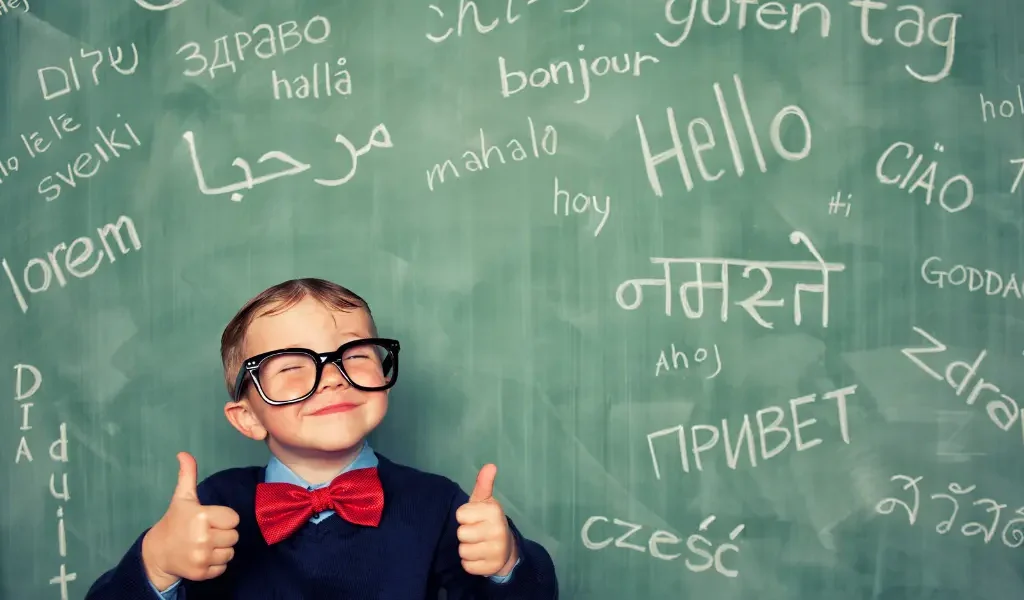
The nonverbal communication It is relevant in various situations, enriching the quality and effectiveness of human interaction.
Its proper use can be a strategic advantage in professional, social and personal settings, where verbal messages alone may not be sufficient.
1. In the professional field
During presentations, job interviews and negotiations, non-verbal communication plays a crucial role.
Gestures such as upright posture, maintaining eye contact, and offering a genuine smile can project confidence and openness.
In a business meeting, for example, a firm handshake can establish a positive first impression, while a relaxed but attentive posture can indicate interest and willingness to collaborate.
In addition, controlling nervous movements and repetitive gestures helps maintain an image of professionalism and confidence.
The key is to align gestures with the verbal message to avoid contradictory signals that can generate mistrust or confusion.
An appropriate and calm tone of voice reinforces credibility and ensures that the message is received clearly and effectively.
2. In social interactions
In everyday situations, such as conversations with friends or social events, nonverbal communication facilitates the expression of genuine emotions.
A simple gesture, such as a smile or a nod, can demonstrate support and understanding, while an open and friendly facial expression promotes empathy and emotional connection.
Proxemics also play a role in these interactions. Maintaining a comfortable distance can help establish a pleasant conversation, while respecting others' personal space prevents misunderstandings.
In Argentina, it is common for people to get closer during a conversation, which reinforces the closeness and familiarity between interlocutors.
3. In family and personal relationships
The nonverbal communication It is essential to strengthen emotional ties in the family and personal spheres.
Gestures of affection, such as a hug or a touch on the shoulder, can express support and affection more deeply than words.
Facial expression also plays an essential role, as an attentive gaze can demonstrate interest and care towards loved ones.
In times of conflict or tension, controlling nonverbal reactions can prevent unnecessary escalations.
Maintaining a calm tone and relaxed posture during an argument facilitates resolution and demonstrates a willingness to listen and understand the other person.
| Context | Use of Nonverbal Communication |
|---|---|
| Presentations and meetings | Projecting confidence and capturing attention |
| Job interviews | Show confidence and professionalism |
| Talks | Express openness and willingness to collaborate |
| Social conversations | Transmit empathy and emotional connection |
| Family relationships | Strengthen emotional ties and express support |
Strategies to improve non-verbal communication
The effectiveness of the nonverbal communication depends on awareness and control of our own gestures and expressions. Here are some practical tips to improve its use:
- Practice self-awareness: Identify your body language and facial expression patterns. Record your presentations or conversations to observe how you move and how others might perceive you. From this self-criticism, adjust as necessary to convey the desired image.
- Adapt your gestures to the context: In a formal presentation, avoid excessive gestures that can be distracting. Instead, use soft movements and open gestures to reinforce your words and keep the audience's attention.
- Work on eye contact: Maintaining eye contact with your interlocutor shows interest and respect. However, avoid prolonged eye contact that can be intimidating. Balance your gaze to connect without causing discomfort.
- Control your tone of voice: The tone, pace, and volume of your voice should be appropriate to the message and context. Practice speaking clearly and adjust your voice so that it reinforces your words in a coherent and persuasive manner.
- Watch your posture: Maintaining an upright, relaxed posture projects confidence. Avoid crossing your arms or slouching, as these gestures can suggest disinterest or insecurity.
Conclusion
The nonverbal communication It is a crucial component in our daily interactions, as it goes beyond words and adds depth and authenticity to communication.
Mastering it involves being aware of our gestures, expressions and postures, as well as knowing when and how to use them to enrich the verbal message.
In a world where first impressions and emotional connection are essential, understanding and applying non-verbal cues is essential.
ales can make a difference in any context, from the professional sphere to personal relationships.
The key is to practice and observe, adjusting our non-verbal responses to communicate effectively and in alignment with our intentions.
