
Inflation in Argentina 2026: why it fell and what to expect now
Advertisements
The Inflation in Argentina 2026 It shows signs of stabilization that few analysts dared to project just two years ago, marking a necessary turning point for the economy to finally begin to breathe.
This slowdown is not a product of chance, but of major surgery on fiscal discipline, drastic changes in monetary policy, and a genuine recomposition of international reserves.
In this article, we break down the technical reasons for this trend, how it impacts everyday consumption, and what projections the main economic organizations are making for the rest of the year.
Why did inflation in Argentina decrease in 2026 compared to the previous year?
The drastic fall of the Inflation in Argentina 2026 It is based on the elimination of the fiscal deficit, which allowed the Central Bank to cut the umbilical cord of financial assistance to the Treasury.
Advertisements
When that tap of uncontrolled issuance was shut off, the amount of money on the street began to align with real demand, removing that suffocating pressure on commodity prices.
Another determining factor was the ordering of relative prices, tariffs and fuels, which, after a period of painful but necessary adjustments, ceased to act as engines of constant inertia.
This cleanup of public finances generated a confidence shock that stabilized the exchange rate, preventing the hysterical runs that historically pulverized the cost of living in a few days.
How does monetary policy influence price stability today?
The Central Bank adopted a very strict monetary aggregate targeting scheme, prioritizing absorbing any surplus so that a change in social mood does not translate into a new escalation.
Maintaining positive real interest rates encourages savers to keep their money in pesos, reducing the speed at which money circulates and cooling down the inertia that seemed invincible since 2024.
To understand the magnitude of these technical changes, it is vital to consult the reports of National Institute of Statistics and Censuses (INDEC), where the monthly variations by category are detailed.
This transparency in official data allowed rental and service contracts to be agreed upon with greater predictability, eliminating those monthly adjustment clauses that previously ruined any family planning.
What role does the exchange rate play in the new economic dynamics?
The unification of the foreign exchange market swept away the gap that distorted import costs, allowing companies to set prices based on real costs and not on fears of devaluation.
Without the burden of multiple exchange rates, the economy regained a logical unit of account; this facilitated competition and curbed the preemptive increases that were the norm during the last decade.
The inflow of foreign currency from energy and agricultural exports strengthened reserves, giving the government the "firepower" needed to contain external volatility that previously threatened price stability.
The stability of the peso against the dollar acts today as a fundamental psychological anchor, calming the anxiety of the consumer who used to rush to the supermarket as soon as he got paid to beat the next price increase.
Which sectors have slowed their growth the most?
Food and beverages, the most sensitive component for any family, show a much flatter curve thanks to the fact that logistics chains stopped operating under the uncertainty of shortages.
Communication and technology services also stabilized their prices after deregulation, allowing competition between providers to act as a natural brake against any attempt at excessive price increases.
Although the Inflation in Argentina 2026 It remains a challenge, but price dispersion has decreased significantly; it is no longer so common to find wildly different prices for the same product on two blocks.
This convergence makes life easier for SMEs, which can now plan minimal investments without the constant fear that the cost of their inputs will double before the end of the quarter.
Real Data: Evolution of Inflation (First Half of 2026)
Analyzing the numbers month by month allows us to observe how the trend is consolidating, moving away from the triple-digit peaks that stifled economic activity in previous periods.
| Month (2026) | Monthly Inflation | Year-on-year inflation | Key Variable |
| January | 4.2% | 115% | Seasonal adjustment in tourism |
| February | 3.8% | 108% | Stability in meats |
| March | 3.5% | 98% | Start of the school year |
| April | 2.9% | 85% | Low in textiles |
| May | 2.4% | 72% | Sustained fiscal surplus |
| June (Est.) | 2.1% | 65% | Exchange rate stability |
What can we expect in terms of consumption for the rest of the year?
With a Inflation in Argentina 2026 Despite the decline, mortgage and pawn loans have begun to emerge, allowing the middle class to once again dream of financed durable goods.
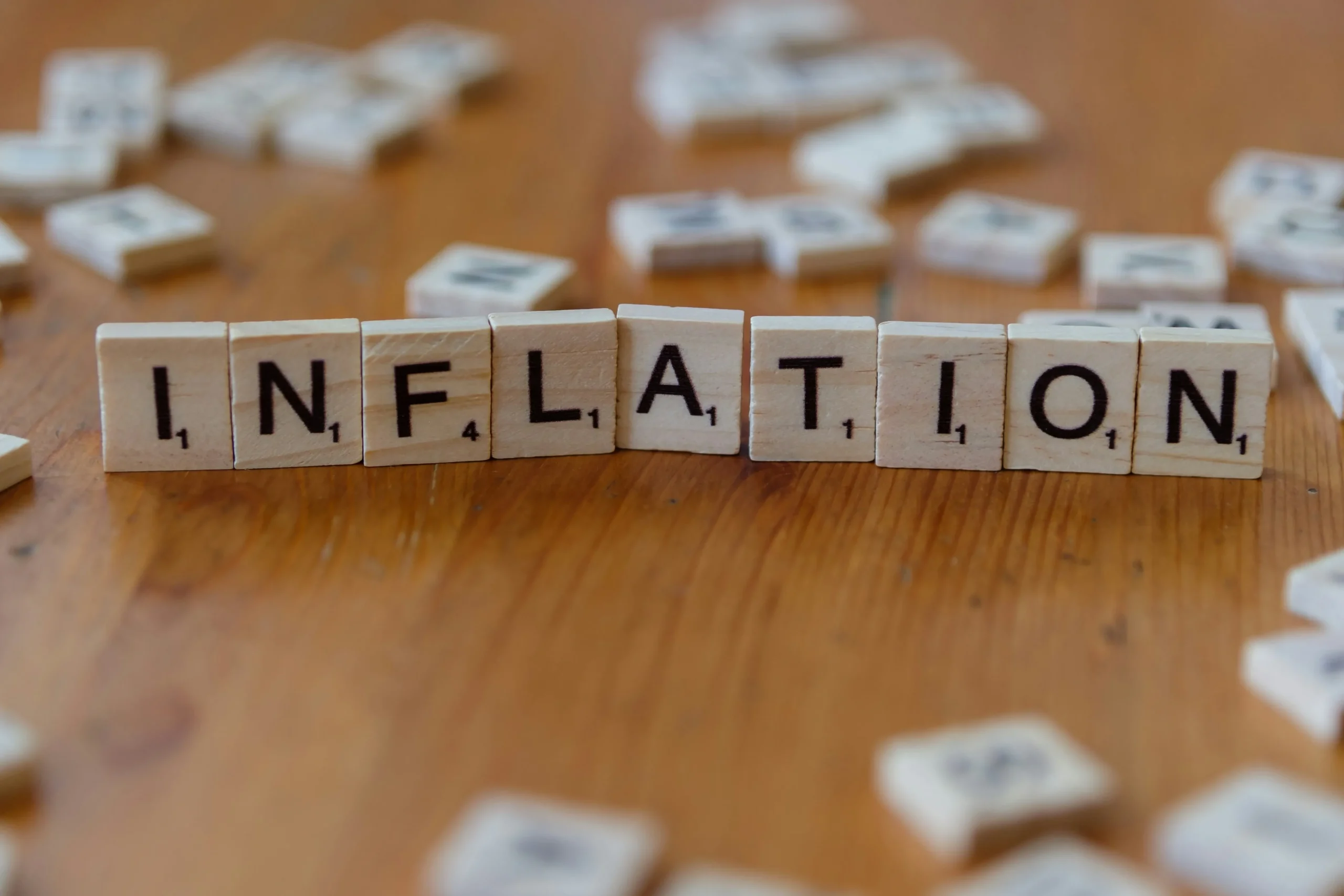
Mass consumption shows a slight but steady recovery, driven by wage negotiations that, for the first time in years, manage to keep pace or narrowly outpace the Consumer Price Index.
We are likely to see a greater supply of real interest-free installments, as businesses no longer need to "protect" themselves from rampant inflation and prefer to prioritize quick sales volume.
However, caution prevails: the disinflation process is a delicate matter that requires fiscal commitment not to be relaxed in the face of the typical pressures of election years.
What are the risks that could reverse this trend?
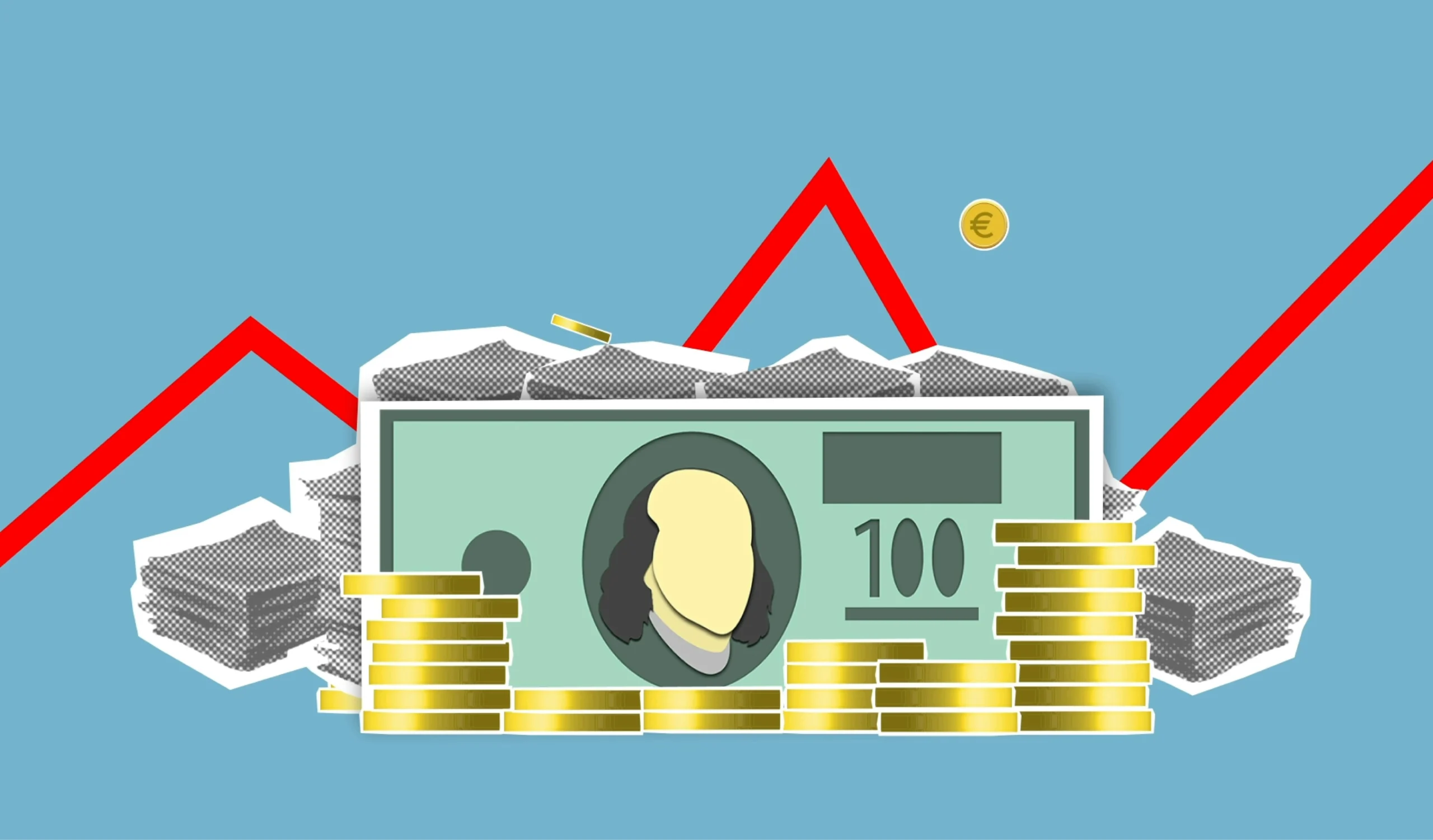
The greatest danger usually comes from outside: a sharp drop in grain prices or a crisis in emerging markets that puts pressure on the value of the dollar at a regional level.
Domestically, the temptation to increase public spending before the elections could disrupt the fiscal balance, reigniting the need to print money and, logically, accelerating prices on supermarket shelves once again.
The Inflation in Argentina 2026 It also depends on maintaining social peace and ensuring that salary increases do not become a new cost spiral for the service sector.
If the current course is maintained, the country could end the year with a monthly inflation rate close to 1.5%, a milestone that seemed like an unattainable fantasy during the currency crisis of 2024.
How does low inflation affect financial investments?
Traditional fixed-term deposits are beginning to lose their appeal compared to productive investment, as rates fall in line with inflation to avoid fueling unpayable domestic debt.
Many investors are migrating to the capital market, seeking returns in shares of local companies that are currently benefiting from a less volatile macroeconomy and a declining country risk.
The Inflation in Argentina 2026 Controlled allows companies to issue negotiable bonds to finance infrastructure, something vital for growth to be real and not just a statistical rebound in consumption.
The real estate market is also breathing easier; there is a noticeable stabilization in dollar prices and a greater turnover of properties that were previously "frozen" due to the total uncertainty about the value of the peso.
Read more: Cities like Mérida and Puebla offer excellent quality of life at lower prices.
Towards a lasting economic normality
The road to single-digit annual inflation is still long and steep, but the foundations laid this year allow for moderate optimism about the ultimate health of our currency.
The key lies in the persistence of structural reforms that prevent the return of those magic formulas that led Argentina to cyclical crises during the last few decades.
Having a currency that regains its function as a store of value is the ultimate goal for the country to finally integrate into the world's financial markets.
To closely monitor global projections for the region, the International Monetary Fund (IMF) It publishes regular updates on the evolution of the country's main macroeconomic indicators.
FAQ: Frequently Asked Questions
Is it a good time to take out a loan?
If the loan is at a fixed rate or with a UVA system in this context of falling inflation, it can be an opportunity before the value of goods rises due to increased demand.
Why do some products rise more than the average?
There are seasonal increases and sectors that are still "adjusting" profit margins that were pulverized during the years of hyperinflation, which generates that perception of constant increases.
Is it better to continue saving in dollars or switch to pesos?
With inflation declining and interest rates still attractive, peso-denominated instruments may yield more in the short term, although the dollar remains the historical safe haven against any political unforeseen events.
When will inflation reach 11% of the monthly total?
If the fiscal surplus and exchange rate stability remain as they are now, analysts predict that this number could be reached between the last quarter of 2026 and the beginning of 2027.
