
Silent consumption in 2026: users buy without posting anything
Advertisements
The phenomenon of Silent consumption in 2026 It marks the end of the era of external validation, that exhausting period where every purchase seemed not to exist if it was not projected on a screen.
Today, users acquire high-end products or luxury experiences without the slightest intention of posting them.
This trend reflects a shift in buyer psychology: now privacy and personal satisfaction weigh much more than digital spectacle or the approval of an algorithm.
What is silent consumption and why is it emerging now?
This trend defines a generation that has finally decided to decouple its digital identity from its spending habits.
Advertisements
In 2026, fatigue from overexposure has pushed many to find pleasure in what is unseen; discretion has ceased to be shyness and has become the new status symbol.
Unlike the past decade, where every package received was an excuse for a choreographed “unboxing”, the Silent consumption in 2026 prioritizes the intimate experience.
There is a growing feeling that posting a purchase devalues the moment, transforming an act of self-care into a mere search for cheap dopamine served up by strangers.
There is something unsettling about how algorithms have monetized even our most private desires, and this trend is the user's defensive response.
It's about reclaiming sovereignty over pleasure: if no one sees it, it belongs only to you.
How does digital privacy affect purchasing decisions?
Concerns about advertising tracking have changed how consumers interact with the market. Today's shoppers prefer brands that respect their anonymity and don't pressure them to participate in viral marketing campaigns.
We no longer want to be free billboards for corporations.
He Silent consumption in 2026 It is also armor against public scrutiny.
By not publishing their purchases, users avoid ethical or financial judgments from their environment, keeping their personal finances out of the digital debate, which is often quite noisy and unconstructive.
This behavior has forced companies to rethink their strategies. If the customer doesn't share the product, the traditional digital "word of mouth" breaks down.
This is often misinterpreted as a sales crisis, but in reality it forces brands to invest in real quality: the kind that retains the customer through pure satisfaction, not because of trends.
To delve deeper into how data protection laws are shaping this behavior, the portal of the Spanish Data Protection Agency (AEPD) It offers analysis of the rights that consumers exercise today with unprecedented firmness.
Why has quiet luxury become the norm?
The concept of luxury has evolved: from the giant logo to the tactile quality of materials. By 2026, owning something that no one knows you have will be considered the highest level of sophistication.
It's a secret code among connoisseurs, far removed from the advertising saturation of the old influencers.
Within the Silent consumption in 2026Minimalist design objects dominate the market. The brands that survive are those that offer a narrative of belonging to a select group that doesn't need to shout.
The subtle detail that only another expert can identify in a face-to-face meeting is valued, not in a filtered photo.
This shift has moved spending to much more private channels: exclusive newsletters, closed messaging apps, and events where cameras are contractually prohibited.
The value now lies in the exclusivity of access, not in the number of eyes that observe it.
What are the real metrics for discrete consumption?
Without social media tags or massive mentions, companies must resort to much deeper analysis methods.
Read more: What consumer habits will shape 2026 in Argentina: well-being, health, and digitalization
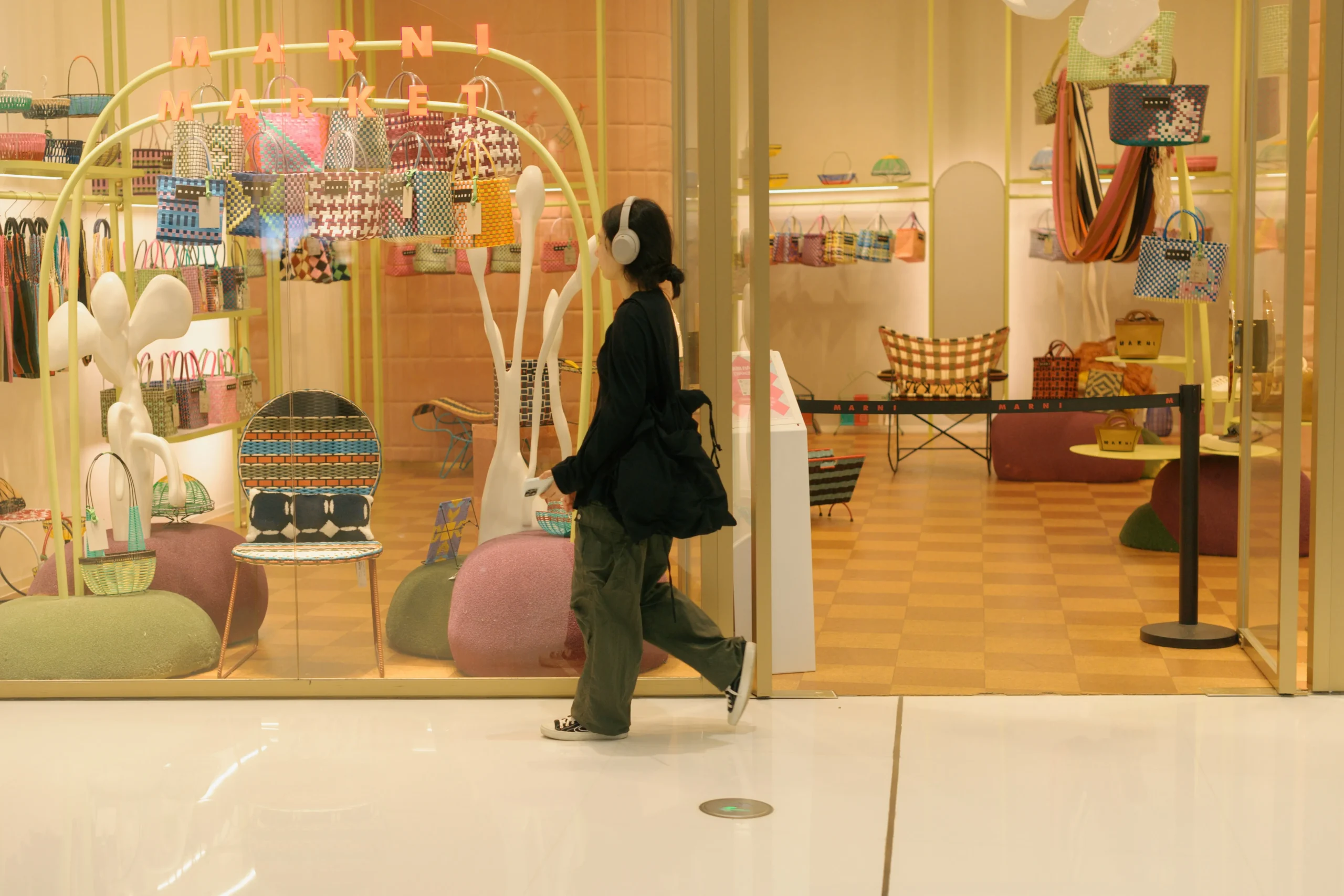
Loyalty is now measured by recurrence and direct recommendation (Dark Social), giving the product department back the weight over the social media department.
| Market Indicator | Behavior 2021 | Behavior 2026 | Impact on Sales |
| Mention on Social Media | 65% of buyers | 12% of buyers | Low organic visibility |
| Spending on “Unboxing” | Aesthetic priority | Minimum functionality | Savings on luxury packaging |
| Use of Hashtags | Massive and planned | Residual and private | Complex brand tracking |
| Brand Valuation | Based on popularity | Based on ethics and quality | Greater long-term loyalty |
| Discovery Channel | Social algorithm | Recommendation via DM | Slow but steady conversion |
What strategies should brands adopt in this new ecosystem?
Companies must learn to be invisible yet indispensable. Instead of massive outreach campaigns, success lies in creating experiences that feel like a shared secret.
Modern marketing is, paradoxically, the art of not interrupting.
He Silent consumption in 2026 It demands impeccable customer service.
If the user is not going to post a review, the brand must be able to detect satisfaction through direct channels and predictive analytics tools that respect privacy.
Influencer marketing has evolved into “dark curation”.
Read more: Conscious consumption tips to adopt in your routine
Opinion leaders no longer advertise products far and wide; they share their findings in niche groups or through subscriptions, where information is perceived as valuable and authentic, not as an advertising contract.
To understand the global economic impact of these changes in behavior, the site of the Organisation for Economic Co-operation and Development (OECD) It publishes regular reports on behavioral economics and how privacy is redefining the global market.
The future of brand identity
It is unlikely that we will return to the era of total transparency. Digital maturity implies understanding that not every moment requires a public record.
Read more: New rules of consumption in 2026: from excess to functionality and authentic experiences
The consumer of 2026 has discovered that mystery adds an intrinsic value that no heart counter on a screen can match.
Despite this Silent consumption in 2026Public space will continue to exist, but it will be reserved for collective causes.
Personal purchases, especially those related to well-being and home privacy, will remain in the private sphere. It's a matter of mental hygiene.
The sovereignty of the image is the greatest achievement of this decade. By ceasing to be walking advertisements, consumers have rediscovered the pleasure of shopping for the simple joy of it.
Brands that understand and respect this silence will be the ones that lead the future, offering products and, above all, the right to absolute discretion.
FAQ: Frequently asked questions about silent consumption
Does this mean that influencer marketing is dead?
Not at all, but the "showcase influencer" model is outdated. Now they function as private curators or consultants for closed communities, where the relationship is much more honest and less focused on mass aesthetics.
How do brands measure success if nobody posts anything?
They focus on repurchase rates, direct surveys, and "Dark Social" (links shared through private channels). It's a more difficult metric to obtain, but much more accurate than an accidental like.
Does this only affect the luxury sector?
It started there, but it has spread to technology and well-being. The average user has learned that flaunting their spending only brings them personalized advertising spam and unnecessary judgment.
Is silent consumption a response to the crisis?
Partly. Displaying excessive spending during uncertain times is perceived as insensitive. Discretion allows one to enjoy their purchasing power without generating social friction or moral judgment in the digital environment.
How does it influence e-commerce?
Platforms have had to become more functional and less intrusive. Users want to buy quickly and leave, without being bombarded with pop-ups asking them to share their purchase with the world.
